
Part One: The British breakthrough that didn’t
There are a lot of ways to end a sentence that begins “If it weren’t for the Rolls-Royce Merlin…”
In fact, it would be a fun parlour game next time the avgeeks got together.
If it weren’t for the Rolls-Royce Merlin… the Cromwell tank would have been a tin pillbox could be one slightly off-piste option.
But I digress.
The version I actually want to focus on is “If it weren’t for the Rolls-Royce Merlin… the P-51 Mustang would have been a fairly forgettable (i.e. forgotten) strike-recon workhorse.”
Of myth and legend
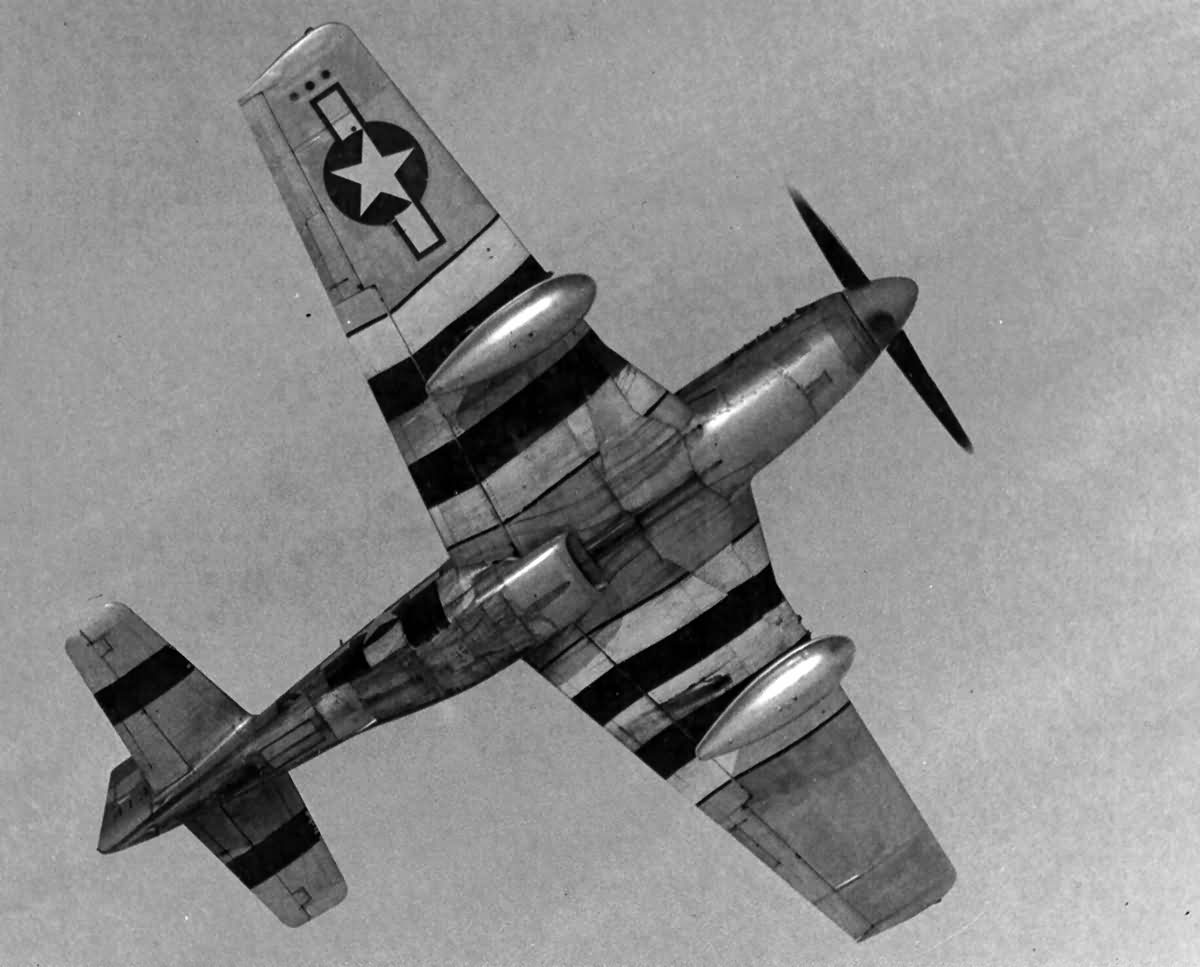
The story of the P-51 is its own land of myth and legend. Of how it was designed and built in 102 days (it wasn’t); that the key to its performance was its laminar flow airfoil (unlikely); that it was superior to the German fighters (debatable); and that it could escort bombers all the way to Berlin, fight the Luftwaffe, and then escort the bombers home again (that’s not how it worked).
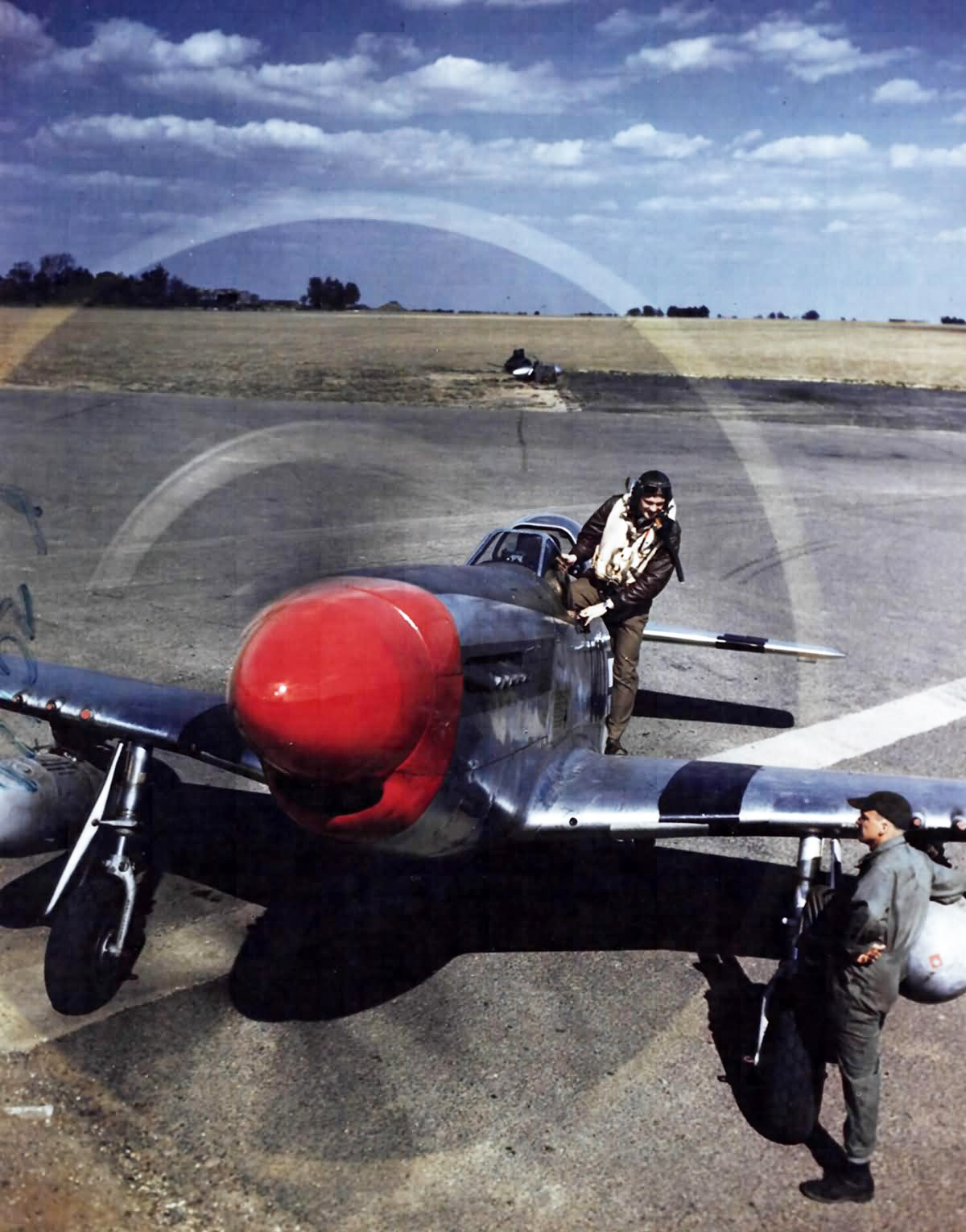
What is undisputed is that the Mustang emerged as a game-changing escort fighter with excellent performance and incredible range. And every telling of the Mustang story has, as its pivot point, the switch from the smooth, beloved Allison V-1710 with its single-stage supercharger to the superb, fuel-sipping, twin blower Merlin 65/Packard V-1650-3.
And the rest, as they say, is history…
Surprise, surprise
History, however, deserves better.
Given how that change made the Mustang, the process deserves more than a line or two in some YouTuber’s P-51 explainer. Even authors who do expand on this critical evolution will usually settle for half the story. The truth – surprise, surprise – is a multi-layered saga of foresight, innovation and native talent that is in danger of being segué-ed right out of history.
And bear with me if you already know the Rolls-Royce half of this story. I still might surprise you when we head back to NAA in California.
NOTE: The following two sections have been substantially revised from the version originally published, which followed the conventional wisdom that the Allison Mustangs were poor performers above 15,000 feet. Having received feedback and performance data from Colin Ford (read his input in the Comments section) I have removed those misleading references. Look out for a more detailed (and accurate) assessment of RAF Mustang Is in an upcoming article.
How much better?
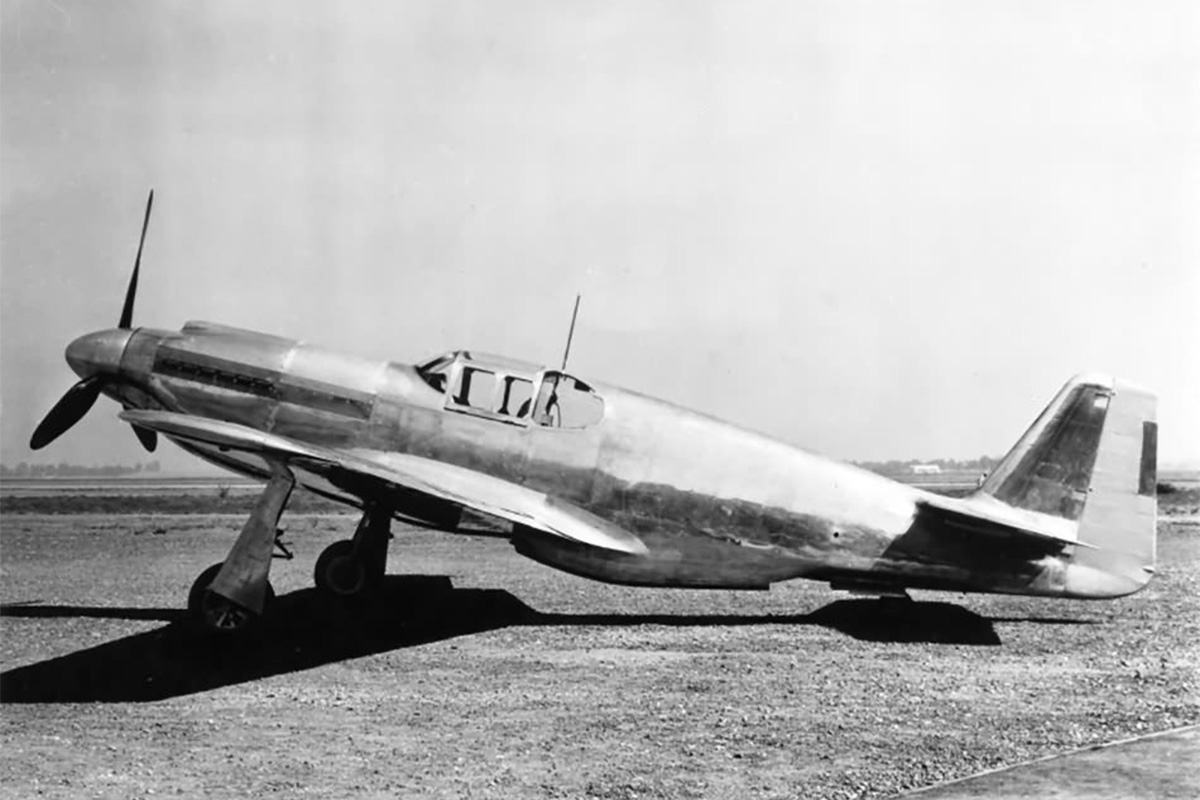
Developed through the blessings of Sir Henry Self’s British Purchasing Commission, The Mustang I came to England with the Allison V1710 engine. The British soon discovered that their new fighter was incredibly fast at low level. In fact, newsreels sold it as the fastest fighter in the world.
However, the Allison was heavier and thirstier than that marvellous British staple, the Rolls-Royce Merlin. So, if the new Mustang was already very good, how much better could it be with the best V-12 engine in existence?
More than a few minds were keen to find out…
Enter the man who, conventionally at least, gave the Mustang wings.
With a powerful but good engine
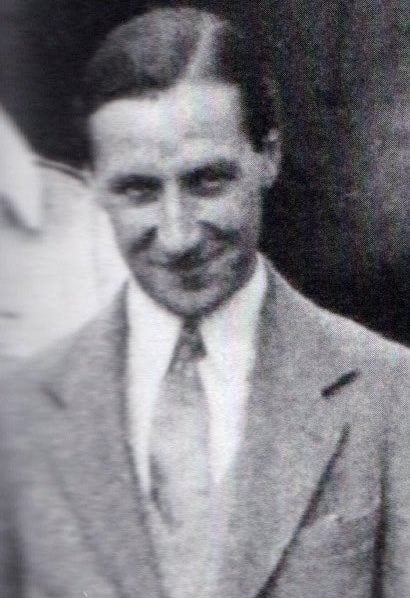
In May 1942, literally days after RAF Mustang Is made their first foray over enemy territory with No. 26 Squadron, Rolls-Royce senior service liaison test pilot Ronald Harker suggested to his superiors that the new fighter could be even better if it were harnessed to their Merlin 61 engine, which was being perfected for the new Spitfire Mk.IX.
Harker had been inspired by taking a Mustang I for a flight at the invitation of his friend Wing Commander Ian Campbell-Orde, who was in charge of the RAF Air Fighting Development Unit (AFDU) at Duxford. Campbell-Orde had Mustang AG422 on strength for high altitude testing – but Harker was more than impressed by its performance lower down..
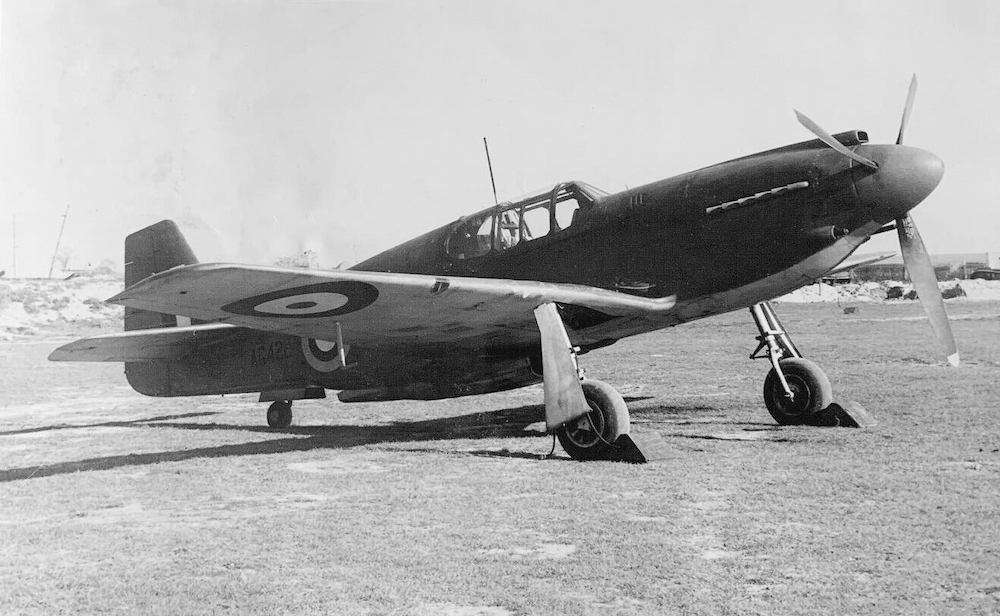
He noted that the Mustang was considerably faster than Curtiss P-40s with the same engine at all altitudes, and faster than the frontline Spitfire Vc below 15,000 feet. In fact, AFDU testing had already established that the Mustang could more than match the Spitfire for level speed all the way up to 25,000 feet.
Past that, the British fighter would begin to inch ahead while the Allison Mustang had all but run out of climb.
Immediately after flying the Mustang, Harker wrote to his superiors that “…with a powerful and good engine like the Merlin 61, its performance should be outstanding…”
Taken up quickly
Harker’s recommendation was taken up quickly and enthusiastically by Roll-Royce senior management, who went over some reluctant heads at the Air Ministry and used their political connections to push the proposal through.
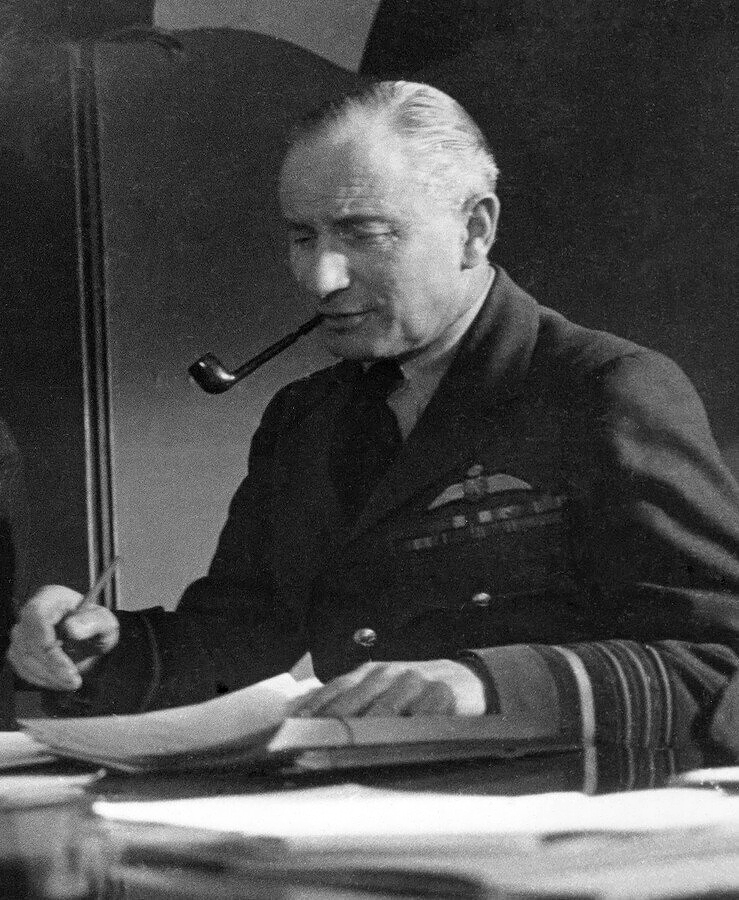
Interestingly, they enjoyed the personal backing of Air Marshall Sir Wilfrid Freeman, who had famously championed the De Havilland Mosquito along with several other pivotal RAF aircraft, and must surely rank as one of the most consequential figures in the whole 1939-1945 air war.
As part of this campaign, Rolls-Royce’s Chief Aerodynamic Engineer Witold Challier calculated that a Merlin XX Mustang could easily achieve a level speed of 400 mph and that the Merlin 61 would increase this to 441 mph at 25,600 ft (7,800 m).
The air war was moving up – and the Mustang would go with it.
Optimised for middle altitudes
The Merlin 61 had been developed for use in new high altitude Spitfires (Mk.VII and Mk.VIII) from the Merlin 60, which was itself developed for a new high altitude version of the venerable Wellington bomber. To that end, the new variants featured an innovative two-stage supercharger, which gave unrivalled performance all the way up to 38,000 feet (and beyond).
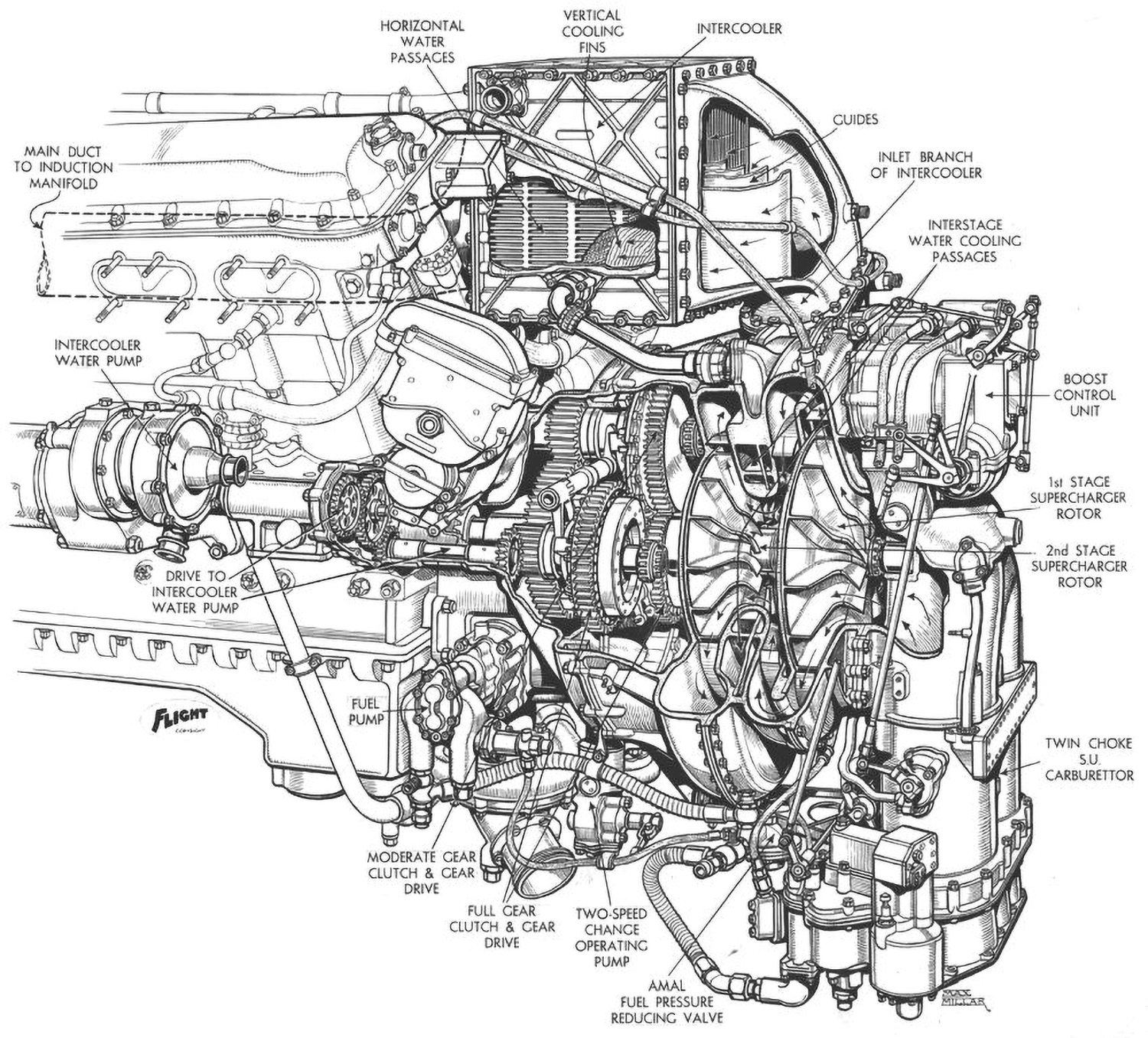
As a rushed stop gap to counter the arrival of Focke-Wulf Fw-190s in theatre, the new engine was married to the Mk.Vc Spitfire airframe and became the ’interim’ Mk.IX.
As it happened, the Merlin 61 would never see the inside of a Mustang. For reasons unknown, the Mustang experiments proceeded with the Merlin 65 (a further subvariant of the -61) which had its twin blowers tweaked to optimise their performance at middle altitudes.
And for the record, variants of the Spitfire IX would be powered by the Merlin 61, 63, 63A, 66 and 70. Mechanics nicknamed the Merlin “the watchmaker’s nightmare” – but all those variants can’t have been much fun for RAF Maintenance Command either!
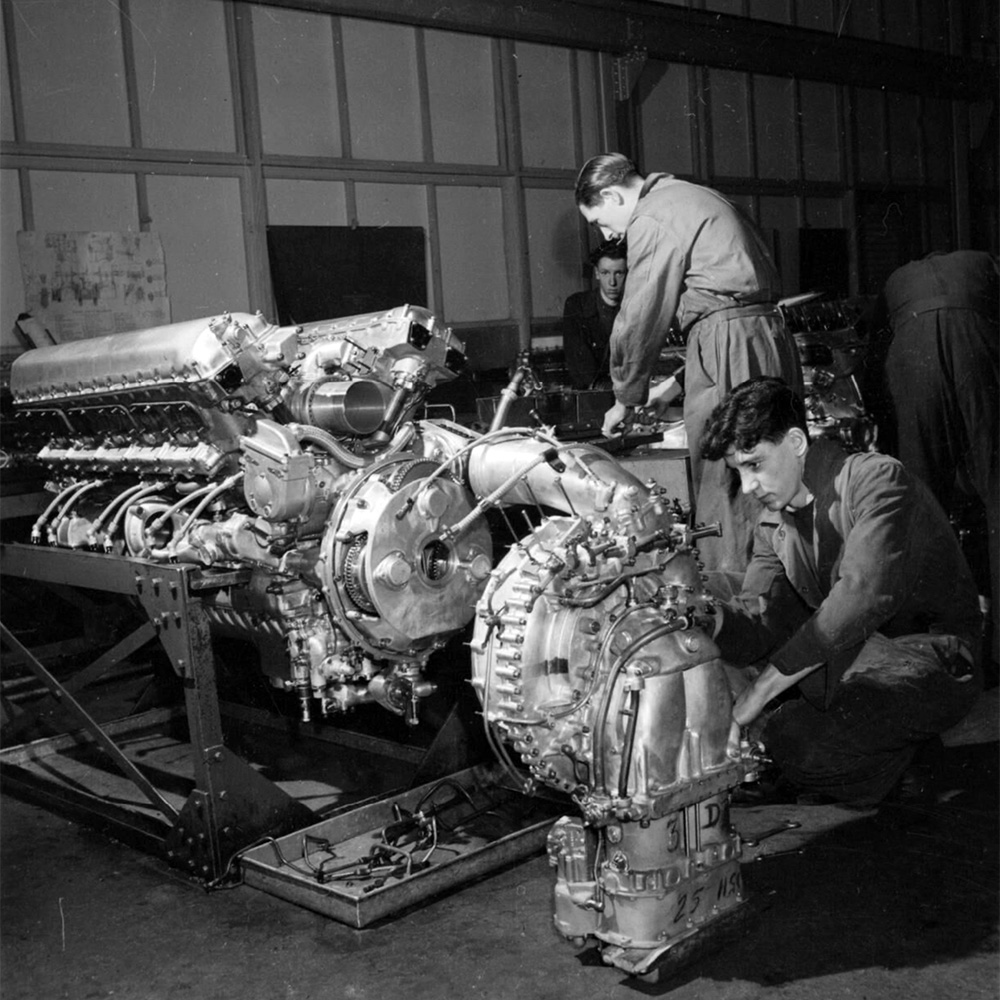
Mustang X
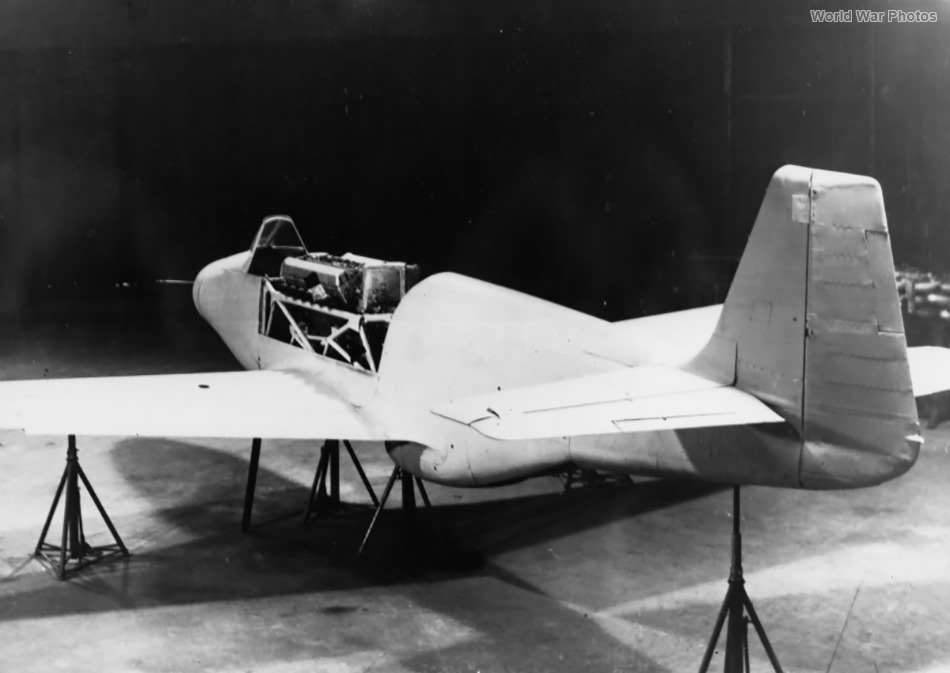
As a result of Harker’s initiative, Rolls-Royce received six RAF Mustang Is to convert and test under the special designation ‘Mustang X.’
Work began on four of them (AL975, AM203, AM208 and AL963) on 2 June 1942. The remaining two would not fly with Merlin engines: AG518 was only used for engine installations studies, while AM121 was held in reserve.
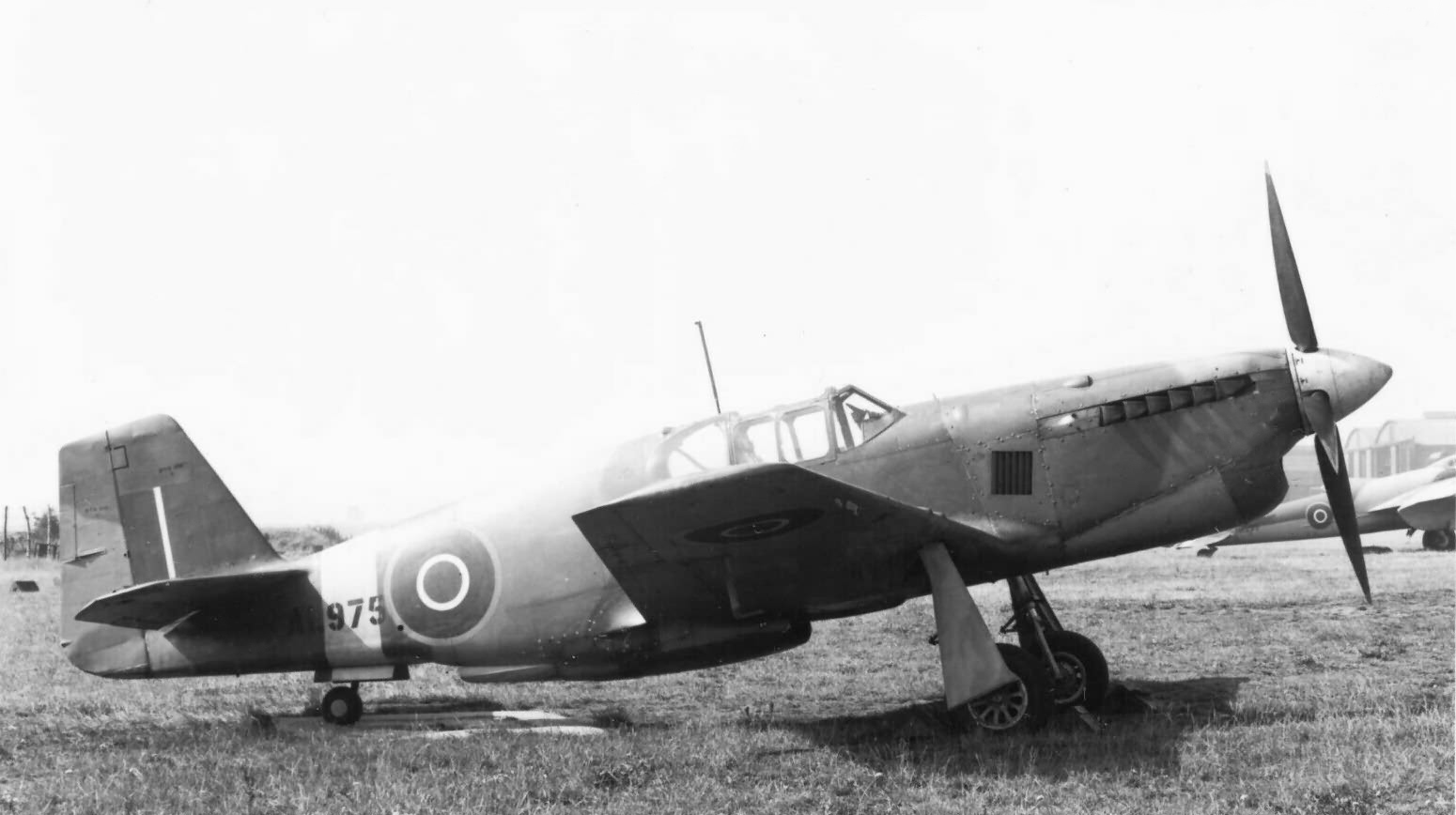
AL975 was first out of the gate on 13 October 1942, with a Rotol four-bladed propeller to harness the extra power and Rolls-Royce Chief Test Pilot Ronald Sheperd at the controls. By November, the small test fleet was delivering everything Harker had expected – including a new top speed of 433 mph at 22,000 feet and a new absolute ceiling of 40,600 feet.
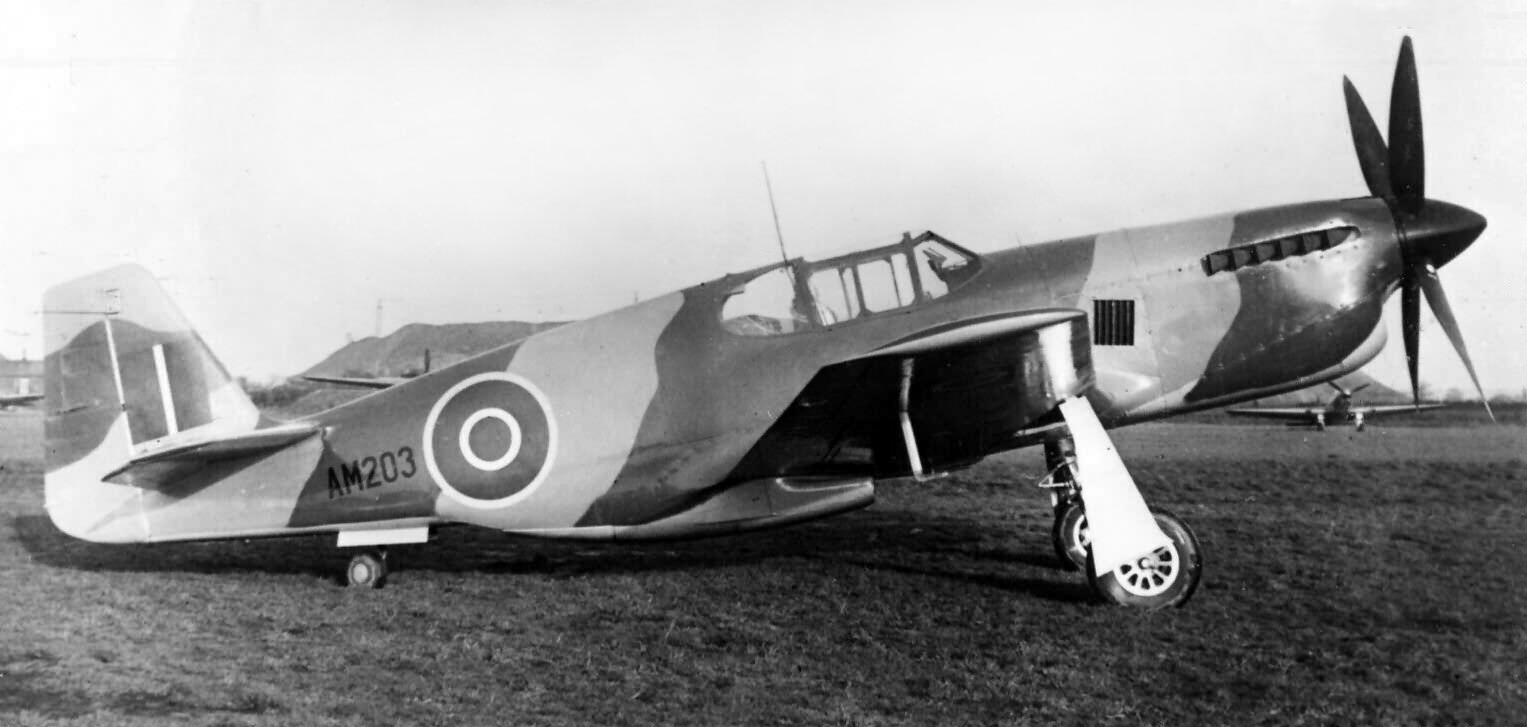
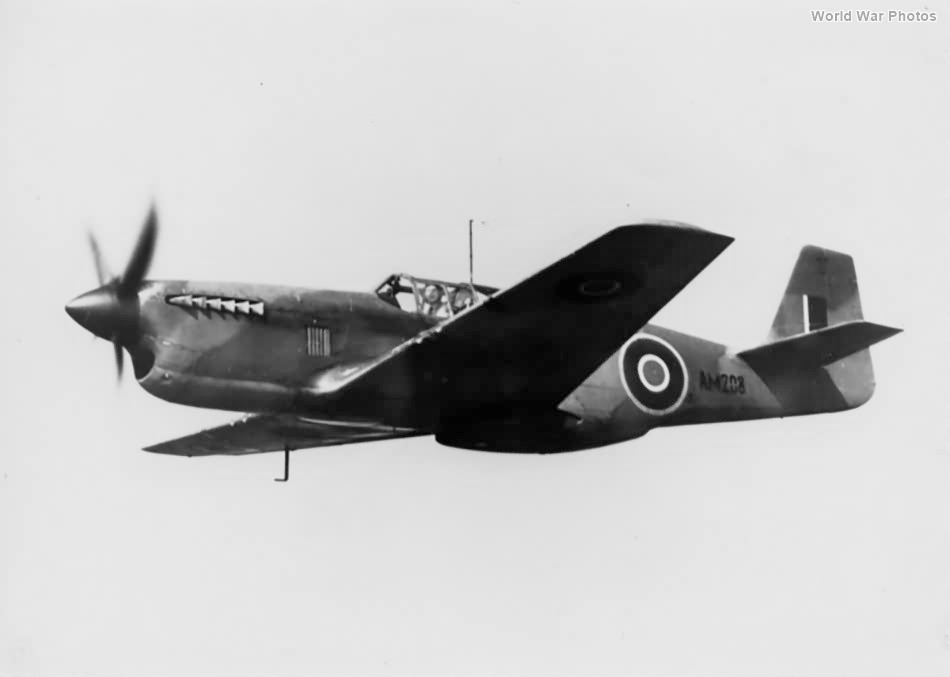
Critically, every great aircraft’s friend Wilfrid Freeman again played a role. To ensure there would be no ifs, buts or maybes about the new fighter, he arranged for two of the Mustang X aircraft to be delivered to US Eighth Air Force commander Major General Carl Spaatz for American evaluation.
This tactical gift virtually guaranteed there would be strong demand for the conversion from the forces that mattered most. And the rest, as they say, is history…
Except that it’s not. There is a lot more to this tale – and the best (as they say) is yet to come.
See you in Part Two!


How serendipitous! (is that even a word?). I just took my son to Planes of Fame a few days ago, and they had a Merlin on display, complete with the impressive supercharger assembly.
I cannot even fathom what it must cost of have one of those engines overhauled these days. If memory serves, they were about $7,000 USD when brand new back in the ’40s, when Merlins were being mass produced and parts were readily available.
–Ron
(Apologies for the brief radio silence – I’ve been at Warbirds Over Scone 2026. And what a fantastic weekend it was!)
I’m pretty sure you can use ‘serendipitous’ to your heart’s desire.And if you can earn about $10k per letter, you should be on your way to having your Merlin overhauled… I don’t actually know for certain, but I suspect that it’s one of those “if you have to ask then you can’t afford it” questions.* Just the fact that the RR Merlin has been nicknamed “the watchmaker’s nightmare” gives a pretty good clue of what’s involved. Then the myriad tweaks, changes and improvements that Packard engineers made to support mass production and enhance maintenance would fill a book of its own.
Regardless, World War II would have been very different without the Merlin.
*I already know I can’t afford it, so if you really want a number let me know and I’ll see who I can get in touch with. 😀
Ha! I only WISH I had the need to look into a Merlin overhaul (and I bet not many people say that — even ones who actually own Mustangs…). But I do appreciate the offer.
When you consider the operating and maintenance costs of these birds, the prices charged by outfits like Platinum Fighter Sales look almost reasonable.
Almost.
Yes, all this wondering is beneath us. I have always looked at the dealer sites to see how much I’d need. (Hey, you never know.) And there’s a whole lot more to think about too. I’m not just talking about insurance, hangarage, maintenance, fuel, etc. I don’t expect the transition training comes cheap either, and I always thought the sensible path would involve owning (insuring, maintaining, refuelling, etc) a T6 to build up a good 100 hours in that before risking it in the Mustang. It adds up quickly and I am starting to come to terms with it maybe not happening! Still, my dreams die hard.
Five of the serial numbers of the Mustangs mentioned were NA-83 models; AL and AM were assigned to the NA-83 batch. AG518 was the only NA-73. Further, the Allison V1710 was most definitely supercharged. All Allisons were mated with a single-stage, single-speed supercharger, ALL of them.
Thanks for the correction Dave. I’ve fixed the note about the Allison supercharger and just removed my erroneous info about the NAA model numbers. I’ll leave that info down here. Otherwise, I feel like I’d need to add an explanation of the differences between NAA models and that’s a whole other subject. If you have time, please see my reply to ‘tomlou’ in the comments of Part II: I do NOT want to be adding anything to all the erroneous information that’s already been published about the Mustang, so if you notice other errors please do point them out here or via the ‘Contact’ link. Cheers.
I can understand not wanting to go down the road of explaining the differences between the different NAA models, but in spite of the differences between the NA-73 and the NA-83, they were both designated as Mustang I, as they were nearly identical. As these were the only Mustangs involved on the British end in the Merlin conversion, you might want to add back the “I” after Mustangs, to read “Rolls-Royce received six RAF Mustang Is to convert…” I only say this because if the reader doesn’t know one Mustang from another, it may not be clear without the correct designation. Cheers back to you.
Good point, and done. Thanks again.
Just a little FYI: AM121 was in fact eventually converted to the Merlin, but it wasn’t sitting idle while waiting; it spent eight months going through various performance tests (still powered by the Allison), and to investigate cooling drag problems, with special attention on the aerodynamics of the radiator duct, before conversion was undertaken. First flight with the Merlin installed was on 4 February 1943. The above from: Rolls-Royce and the Mustang by David Birch (Rolls-Royce Heritage Trust Historical Series No 9).
That’s a great extra snippet of info. Thanks Dave.
The Allison V-1710 in the Mustang I only being good up to 15,000ft myth. In the AFDU’s own tests of a NA-73 Mustang I against a Spitfire V, both at full operating weights and equipment, the Mustang I was faster at all altitudes up to 25,000ft, with the Spitfire V finally getting the speed advantage in the 25,000ft to 29,000ft range. 5,000ft Mustang I faster by 30mph, 15,000ft faster by 35mph, 25,000ft faster by 1.2mph, 29,000ft Spitfire V goes 3.2mph faster. Spitfire V faster in climb, Mustang I faster in dive and more stable. RAF knew exactly what the altitude performance of the Allison V-1710 fitted to the Mustang I would be, from the experience they already had with the Curtiss P-40 Tomahawks they had received – altho the -39 variant fitted to the Mustang I had a slightly superior power output in the higher altitude range compared ot the ones in the Tomahawk. The -81 fitted to the later P-51A/Mustang II had a revised supercharger that improved its higher altitude performance up to around 32,000ft.
Hi Colin, thank you so much for this info. I feel I should have replied a little sooner than this, but I have a lot of plates to spin… Apologies, anyway.
I’d really like to do two things with this data: One is read more on the original report/comparison so I can rewrite the section covering the “15,000 ft myth”. If it is a myth, I definitely don’t want to propagate it any further and would be much happier about helping to shut it down. Secondly, from all the searching I’ve done over the past few days, I feel like another article in defence of the Allison Mustangs (esp. in RAF service) would be worthwhile. For instance, I just found an article from the USAAF praising the way the British used their Mustangs for reconnaissance, so there’s certainly a less damning side of the story.
If you’re willing to help out with info so I can put the 15,000 ft myth to bed, please get in touch via the Contact link at the top of the page and we can exchange emails from there.
If not, I’ll include a note in the text and refer readers to your comment, so at least they at least get their eyes on the data you’ve shared.