
Click here for previous chapters
New Year’s Day, 1945.
We rose early and hiked up Tatsumaki Yama to greet the sunrise. But it wasn’t an especially happy occasion as we all realised that it would be the last time we did so. We drank the customary cup of saké, yelled “Banzai!” three times and prayed for success on the battlefield.
On the third of January we were given leave to visit Tokyo.
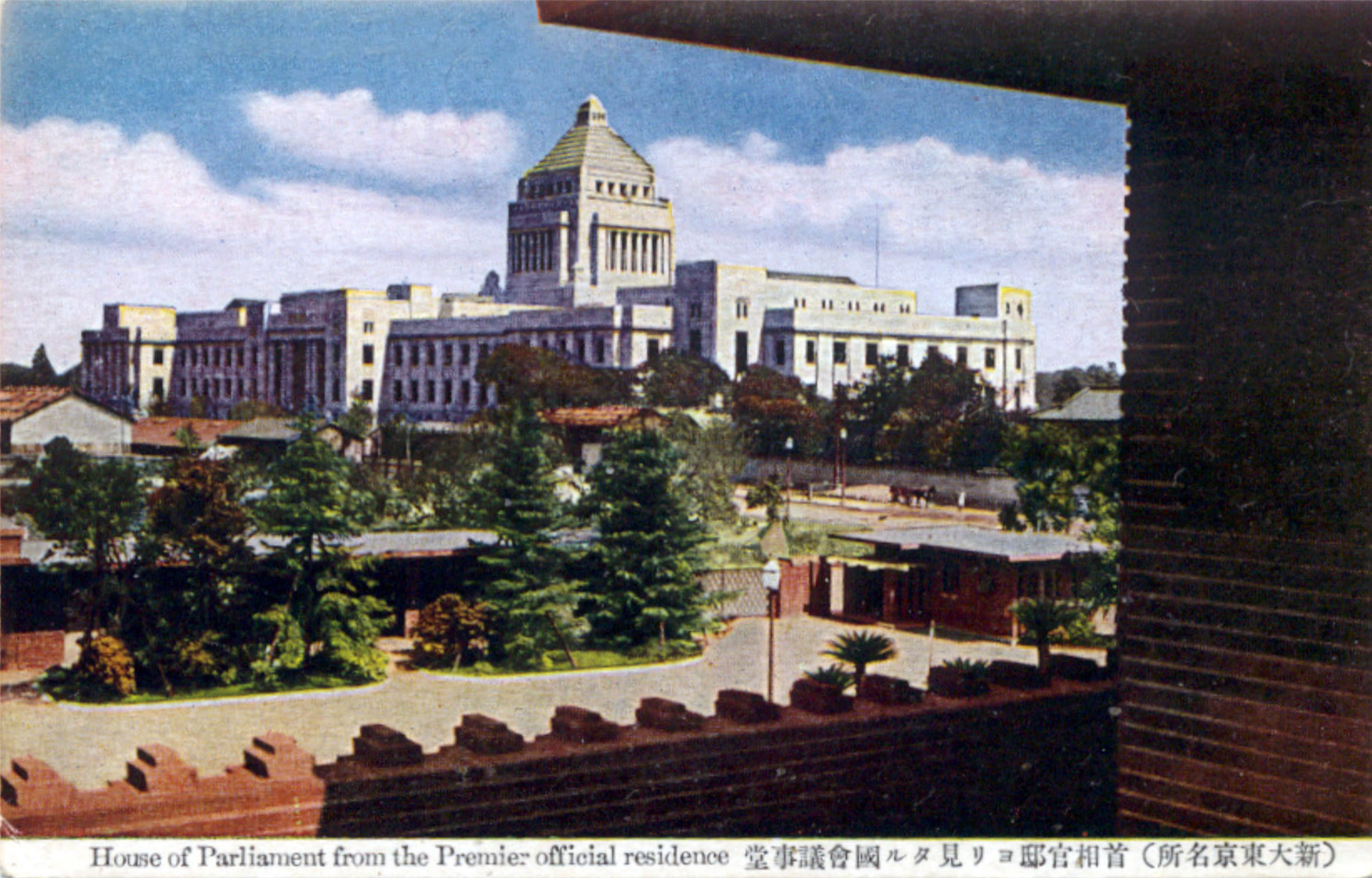
I’d never been there before and was hugely impressed with the Imperial Palace, the National Diet Building and Yasukuni Shrine. When we were standing before the Double Bridge, the entrance to the Imperial Palace, Lt. Morimasa Yunokawa turned to us and said, “Look at it closely, as this is the last time you’ll ever see it.”
Song of the special attackers
Prior to this I’d only seen the usual framed photographs of the Double Bridge with a photo of Their Majesties and a silver chrysanthemum seal at the centre. To see the actual location for the first time was very moving and made a lasting impression on me.

We’d been invited to lunch at a mansion in Shinjuku. I had no idea who introduced us but it was clearly the residence of a very wealthy person. When we were all seated, and with household members seated in a row in front of us, we sang the song of the special attackers:
You and I are cherry blossoms that bloomed together,
We bloomed in the same air group’s garden.
Having bloomed, we are determined to fall.
For our country’s sake we will fall beautifully.
“It’s all over for us!”
Some of the listeners wiped their eyes and seemed to be weeping. However, we didn’t feel particularly sentimental about it all. If anything, we felt sorry for having caused them sorrow.
With our departure for the war zone becoming imminent, we were given an overnight leave. I didn’t have any place particular to visit, so I planned to hang out in the barracks with the others who weren’t going anywhere.
However, when the rest of the group was busily preparing to head off to Tokyo or Chiba, Nakamura, the high-spirited mandolin player, shouted out: “It’s all over for us! Go wherever you wanna go. This is our last fling!”
They just seemed to disappear
There were only about thirty of us who hadn’t yet flown the K-1. Four had only recently joined the group and would remain behind for instruction. The rest of us had to hurry up and complete our training. But because the weather was bad and the bombers were often down for maintenance everything was taking much longer than expected.
Although the newspapers during this period were full of reports lauding the heroic battlefield success of the special attackers, there was no appreciable change in the war situation as a result.
Day after day the special attackers were sent off with much pomp and ceremony, but like ink disappearing on blotting paper they just seemed to disappear.
Hectic and very stressful days
We’d heard that the enemy’s anti-aircraft fire was horrifically accurate and that their guns were now radar-directed. Clearly, their scientific capabilities and industrial power were far greater than ours.
In addition, we heard that because the Type 1 bombers were so slow they were planning to carry the K-1s with the newer Ginga bombers instead.
I was getting the unpleasant feeling that although our pilots’ morale was high, the bombers that carried us might not even make it to the target area. I was afraid the enemy’s radar and fighters would simply ambush us.
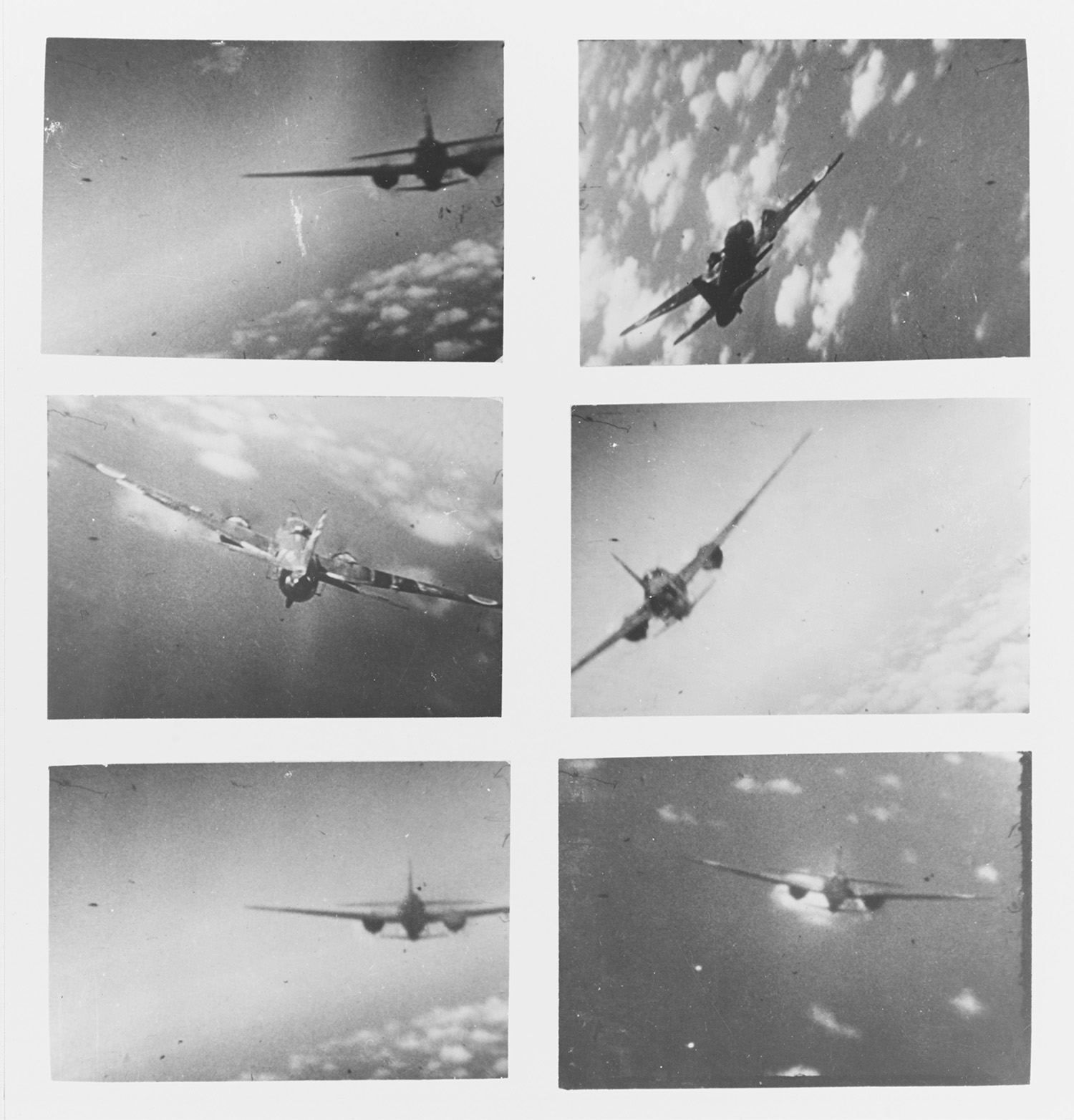
A succession of hectic and very stressful days passed in this way. All day and until late at night the glass in our barrack’s windows reverberated with the roar of bomber engines being run up after maintenance. Like the peals of distant thunder, the sound undulated like waves as the mechanics revved them up and down through the rpm range, our eardrums vibrating in harmony.
A much more fitting way to die
Eventually the discordant notes became a reassuring lullaby that put us to sleep at night. Much later, with the engines quiet, the barracks’ chilly stillness was broken only by the footsteps of the night guard echoing eerily in the hall.
In spite of these frenetic preparations, just days before our scheduled departure, plans were once again changed. It was decided that it would be a waste for our most experienced pilots, those with combat experience in fighters, to be sacrificed in a single attack. Instead, they were to form the nucleus of an Ohka fighter escort unit.
Not surprisingly, like prisoners facing imminent execution who are suddenly given their freedom, their sense of relief was palpable. They’d been facing certain death, but now they’d been reprieved.
As a result, a few of them were removed from our group. But I didn’t see it as much of a reprieve. I thought they were just unwilling to acknowledge the reality that awaited them. Although our paths were different, both led to death. They were no more likely to survive than the rest of us.
Rather than shoot down an enemy Grumman I’d rather score a direct hit on one of their carriers and take 1,000 enemy sailors with me and destroy 100 of their shiny aircraft. That seemed like a much more fitting way to die.
When I uttered this thought aloud Fumoto laughed and said, “Omae, you’re telling it like it is.”
At the time I truly believed that…

Hachimaki headband
In mid-December, Soemu Toyoda, Commander-in-Chief of the Combined Fleet, had visited our base.
During his greeting he promised that each of us would receive a short sword and a hachimaki headband with the characters Jinrai on it.
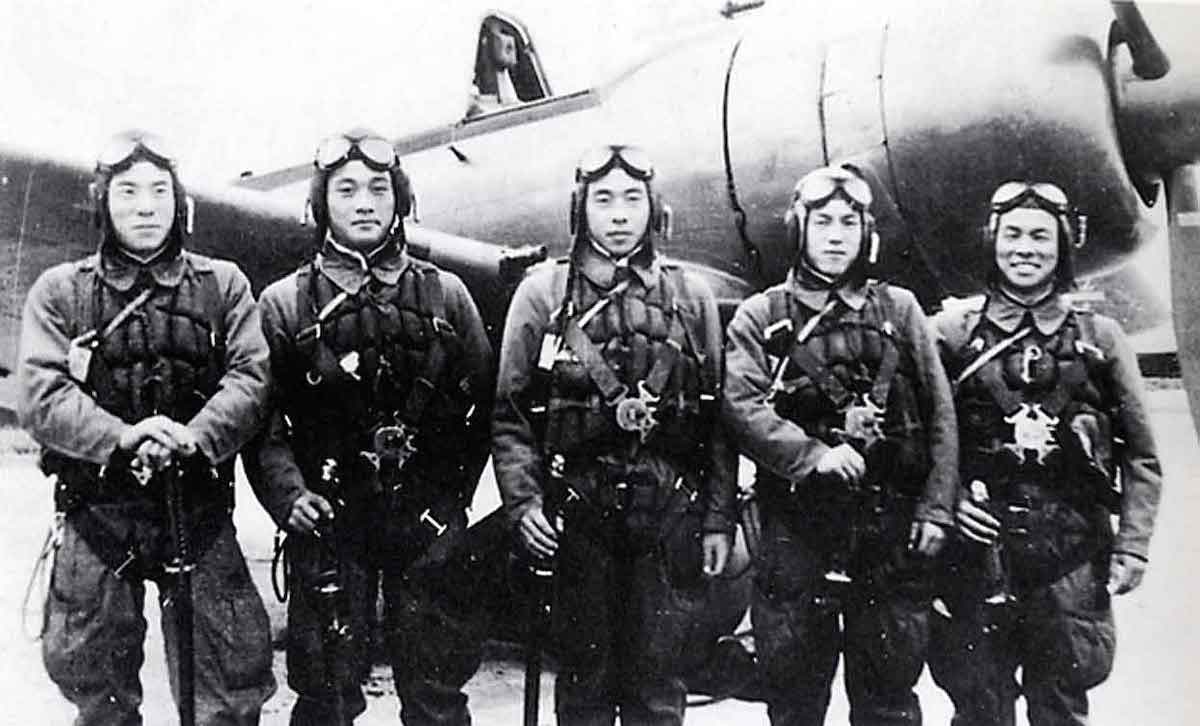
A photograph was taken of us with the Commander-in-Chief. This commemorative photograph included all the members of the first group.
NEXT TIME: My K-1 awaits me >
These extracts are from the diary of Masa’aki Saeki, trainee Yokosuka MXY-7/K-1 Ohka pilot, 721st Kōkūtai Jinrai Butai, Imperial Japanese Navy.
Translated by Nicholas Voge and shared with permission.
Nicholas Voge is a retired Pt. 135 airline pilot who spent his younger years living in Japan where he worked as a translator, copywriter and riding model for the Japanese motorcycle manufacturers. His translations include The Miraculous Torpedo Squadron, The Inn of the Divine Wind and Kaiten Special Attack Group, A Story of Stolen Youth.
 airscape Magazine
The deeper we get into this amazing story and its insights, the mindset is more and more difficult to be understood by the Western mind.
It’s fascinating isn’t it? There is a real mix of eagerness, duty, fear and depression. I’m not sure if it’s a purely Western/Eastern thing though – it feels plainly human to me. The desperation behind the strategy comes from the commanders, who would do anything (to other people) rather than face defeat. I think that’s fairly universal too. The Luftwaffe formed a suicide ramming squadron (Sonderkommando “Elbe”) in April 1945. Who knows what British or other Allied commands might have ordered if the situations was reversed.