


Safety, Edwardian-style
If you still can’t believe World War One pilots were never issued with parachutes, this glimpse into Edwardian attitudes may help… Last post, I shared Flight magazine’s account of the first fully documented spin recovery (‘Parke’s Dive’), from August 31st, 1913. But before we move on, here’s an editorial that appeared just two weeks later, on September 13th, 1913. Even though Parke was restrained … Continue reading Safety, Edwardian-style


In a spin
Inspired by master spinner Rich Stowell’s salute to Harry Hawker 100 Years of Intentional Spins (do make sure you watch it) I looked up that original account of the first described spin recovery by Wilfred Parke. What follows is Flight magazine’s original account of the event, with a PDF of the full, original article down below. From Flight, August 31st, 1912 Salisbury Plain, Sunday, August 25th Here is the true … Continue reading In a spin

Best book ever
Fighter Pilot – a history and a celebration by Philip Kaplan Published by Aurum, London, 1999 ISBN 10: 1854106147 / ISBN 13: 9781854106148 Most lovers of aviation already own every book ever written on the subject, right? All that’s left for them to do is wait for shiny new titles to be released and diligently reviewed, before they head to their local bookshop to … Continue reading Best book ever

Black Beauty
airscape doesn’t usually ‘do’ livery photos, but then it’s not that often you see one so, er, not-usual. This is 787-9 Dreamliner ZK-NZE in Air New Zealand’s ‘All Black’ livery. Air New Zealand was launch customer for the 787-9 and this was their first airframe. Incidentally, the ‘all black’ and silver fern are both recognised New Zealand motifs, while the ‘koru’ on the tail … Continue reading Black Beauty

Hudson Flyer
The New York World has paid $10,000.00 for Mr. Curtiss’ ticket from Albany to New York – when it might have brought him down by train for just $4.65. The Birmingham News June 1st, 1910 Quite an undertaking To fly from Albany to New York City was quite an undertaking in the summer of 1910. I realised that success would depend upon a dependable motor … Continue reading Hudson Flyer
Need a lift?
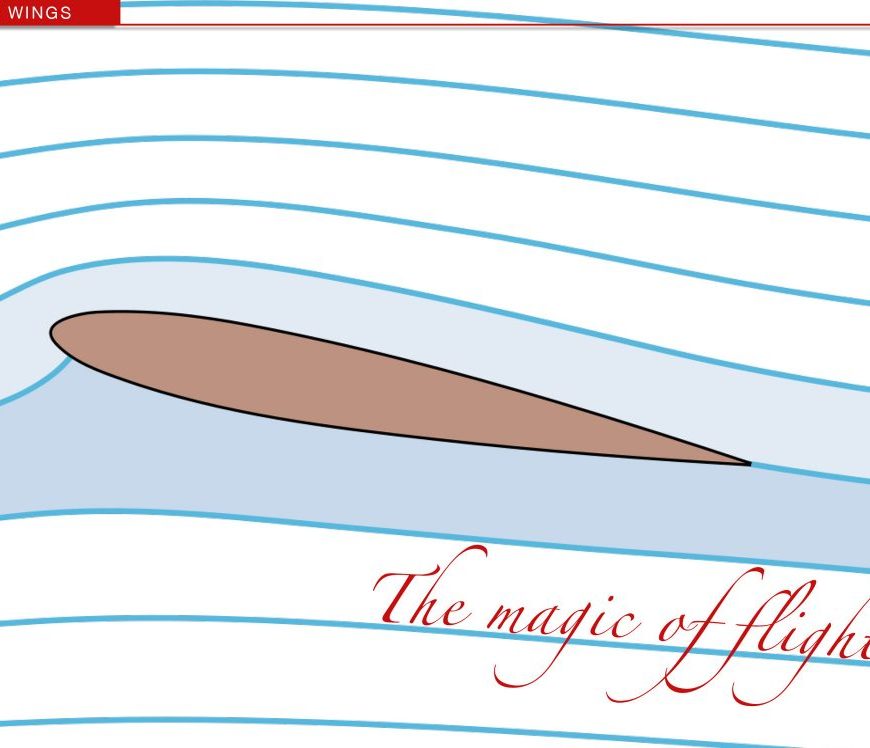
If you ever want to convince someone that flying is magical, just remind them that scientists still can’t explain exactly how a wing produces lift. Theories abound. For a long time it was all thanks to Daniel Bernoulli and the idea that an airfoil accelerates the airflow, which means it must lose pressure perpendicular to the wings, thereby sucking you, your airplane and your credit cards … Continue reading Need a lift?
Jenny, inverted

On Christmas
He was born on a Pembina, North Dakota farm on May, 17th 1923. He died today, Christmas Day, in 1944. Donald J Emerson enlisted as a US Army Air Forces armourer as soon as he’d finished high school. Early the next year, 1943, he learned that entry requirements for pilot training had been lowered and he jumped at the opportunity. By January 1944 he … Continue reading On Christmas

Rapture
I’ll try to keep the Beauty Shots short and sweet, so if you’d like to read a little more about these vapour cones, you’ll find the info here. Click for the bigger picture, obviously… And if you’d like a big, clean copy of this shot for yourself, you can get it here. But don’t be fooled… As an interesting aside, there’s a YouTube video that keeps popping up … Continue reading Rapture

A.W.52
All this talk of future commercial airplanes rings with echoes of the past. Of course the 1940s’ Horten and Northrop flying wings are well known. But Britain was pushing on the technological ceiling at the same time – with their Armstrong Whitworth A.W.52. A grand vision While not a true flying wing (it had vertical surfaces at each wing tip for yaw control) the A.W.52 was … Continue reading A.W.52
 airscape Magazine