
Click here for previous chapters
My memories of my Ohka flight ended there.
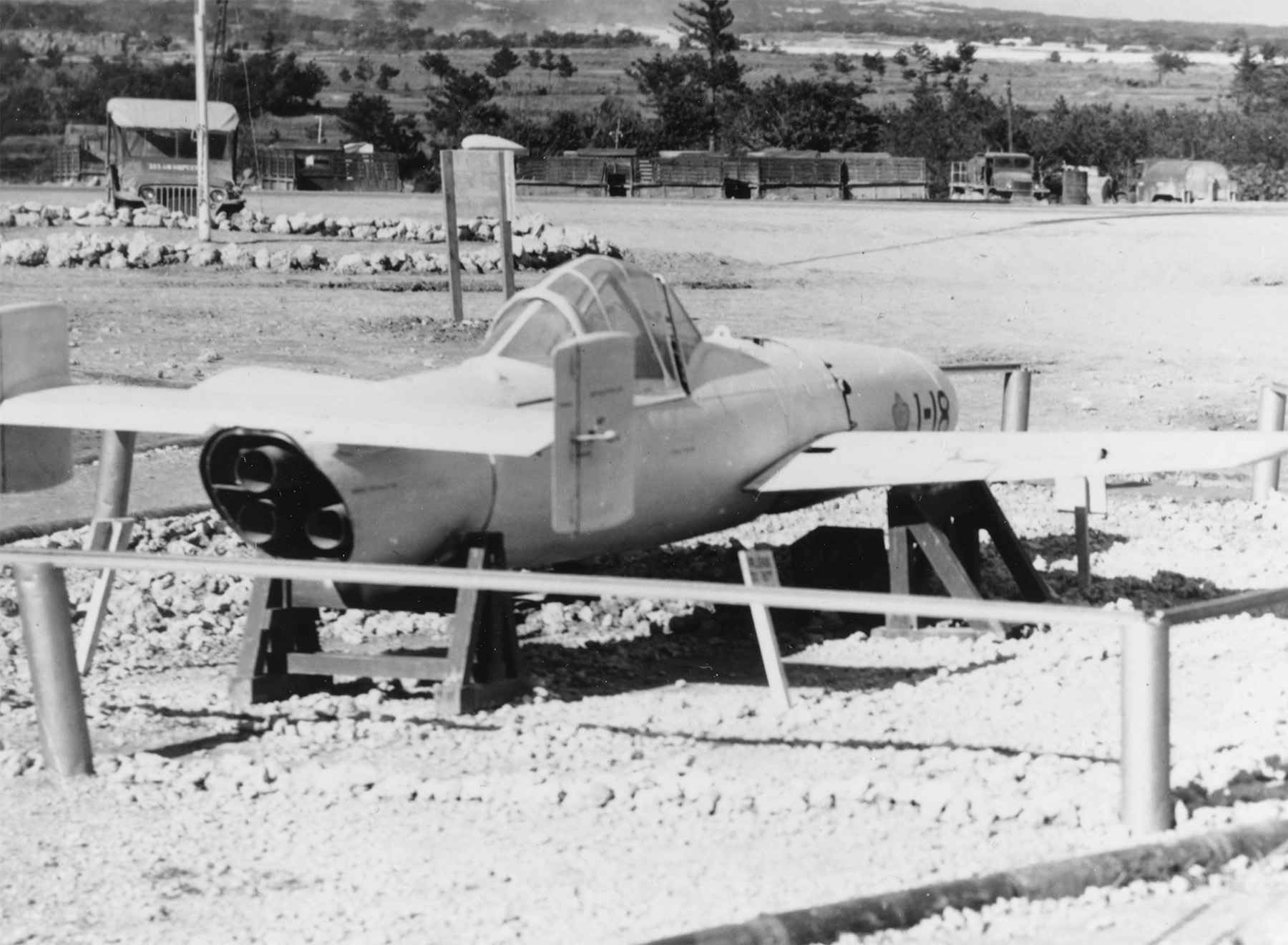
However, I was told that after that the K-1 crashed it ended up inverted. At the far end of the field was a construction unit and it was their mound of gravel I’d plowed through. Naturally, the gravel slowed me, but just beyond the mound was a steep drop-off. When the K-1 burst through the gravel and went over the incline its heavy nose dropped and stuck into ground, flipping it upside down.
Fortunately, when the rear section of the K-1 slammed against the ground, the high-mounted dual rudders prevented the cockpit, and me, from being flattened.
Returned from the almost-dead
The canopy shattered in the crash, showering me with glass shards that sliced into my exposed areas, especially my face and head.
I was left there, hanging upside down by my seat belt inside the empty canopy frame and bleeding profusely. Luckily, the seat belt held, preventing me from falling out.
Other injuries included deep contusions and lacerations to both my legs which, together with the cuts to my head and face, required 36 stitches to sew up. I was of course unconscious during all this but was later told that I’d lost so much blood that I wasn’t expected to survive. And because the accident happened on base the navy’s funeral service began making the necessary arrangements while I was still among the living.
In fact, the assembly of the ceremonial alter and preparations for the wake had to be cancelled when I unexpectedly returned from the almost-dead.
As a result of my injuries I was removed from first group of special attackers with whom I was scheduled to depart and, for better or worse, was left behind. In short, those injuries profoundly changed the future course of my life.
I spent about three months recuperating at the base hospital, and it wasn’t until April 30 that I was declared fit to fly again. By this time the battle for Okinawa was almost over and Japan’s defeat was inevitable.
A splendid way to go
A week or so after my accident the navy’s elite Jinrai Butai (my squadron) began departing our home base at Kō-no-Iké.
Everyone was in high spirits. With them went the Ohka Model 11, the world’s first rocket-propelled aircraft. This secret weapon, along with the men trained to deliver and fly it, was the navy air force’s desperate attempt to turn the tide of the war.
The first group was headed for Miyazaki Air Base in Kyūshū . One of the Ohka attack units was then deployed to Oita, the other to Kanoya. The bombers from the 721st who were to carry the Ohkas were all deployed to the base at Kanoya. However, on the emotionally charged day of their departure I was stuck in my hospital bed and could only listen to the cheers of my squadron mates as they celebrated.

In spite of the obvious fact that this was one of the last steps on their way to the next world, it was a splendid way to go. The pilots’ quarters were visible from my hospital room window and I could clearly hear their enthusiastic celebrations.
The thunder of bomber engines
Bad weather that day delayed their departure. The next day a few people got out but the weather again deteriorated, and most of the departures were cancelled.
Just prior to their departure a former classmate and good friend Warrant Officer Tadao Sasaki and some of the other pilots paid me a visit in the hospital. They brought me some of the celebratory sushi from the pilots’ mess to cheer me up.
“Come on, eat,” he said cheerily. I did so to please them and thanked them profusely, but for some reason I had little appetite that day.
Finally, on the third day, the weather cleared and the squadron departed for Kyūshū. The date was January 25.
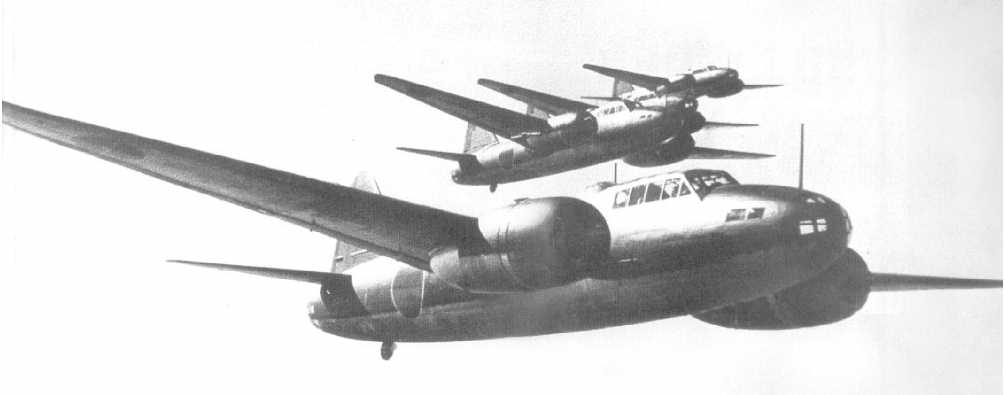
The morning quiet was shattered by the thunder of bomber engines as the heavy Type 1 bombers started their engines, taxied to the runway and began their takeoff rolls. One by one they lifted themselves ponderously into the sky and circled the field waiting for the others to form up.
Then, as a group, they departed Kō-no-Iké never to return.
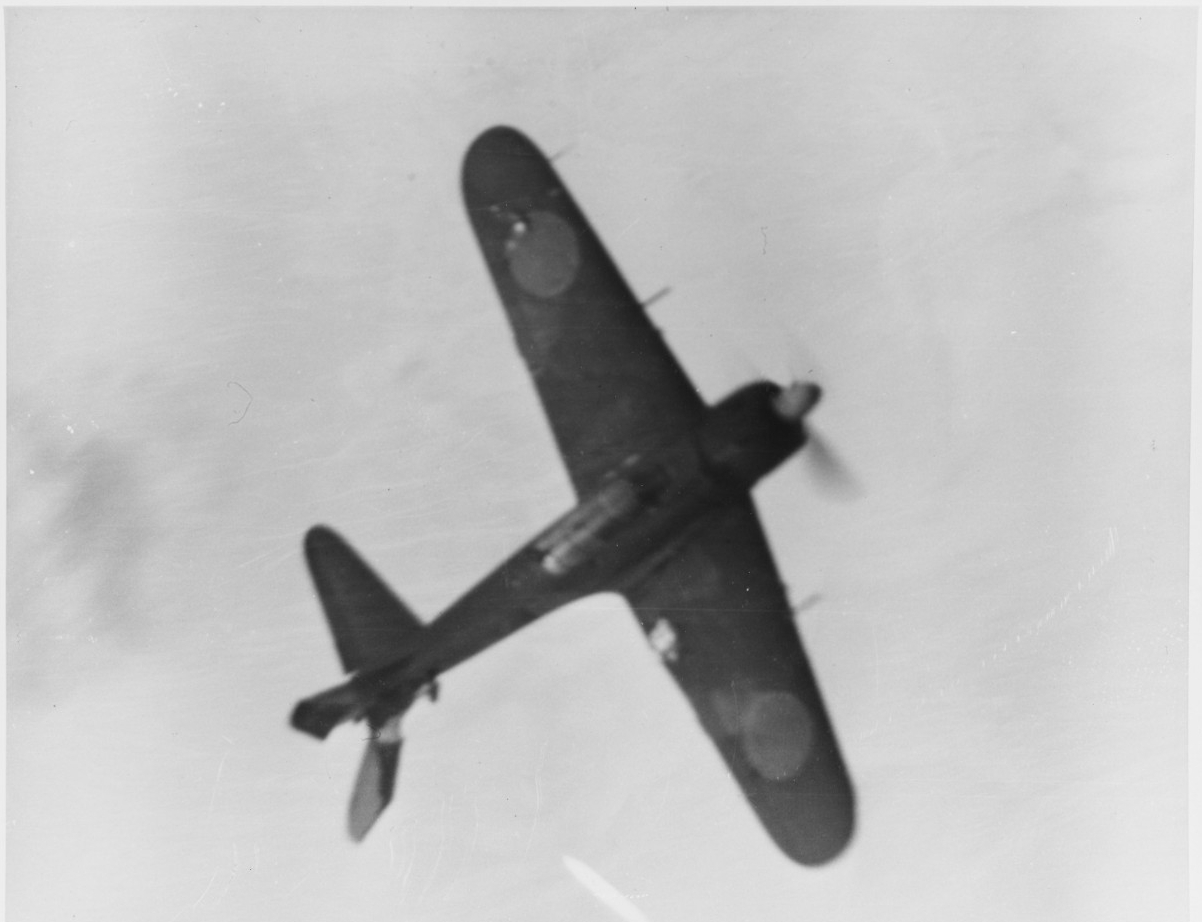
Next to depart for Miyazaki were a group of the newest Type 52 Zero fighters, all of which were fitted with external fuel tanks. They too formed up and flew one magnificent orbit over the field before departing to the southwest.
Until all had fallen
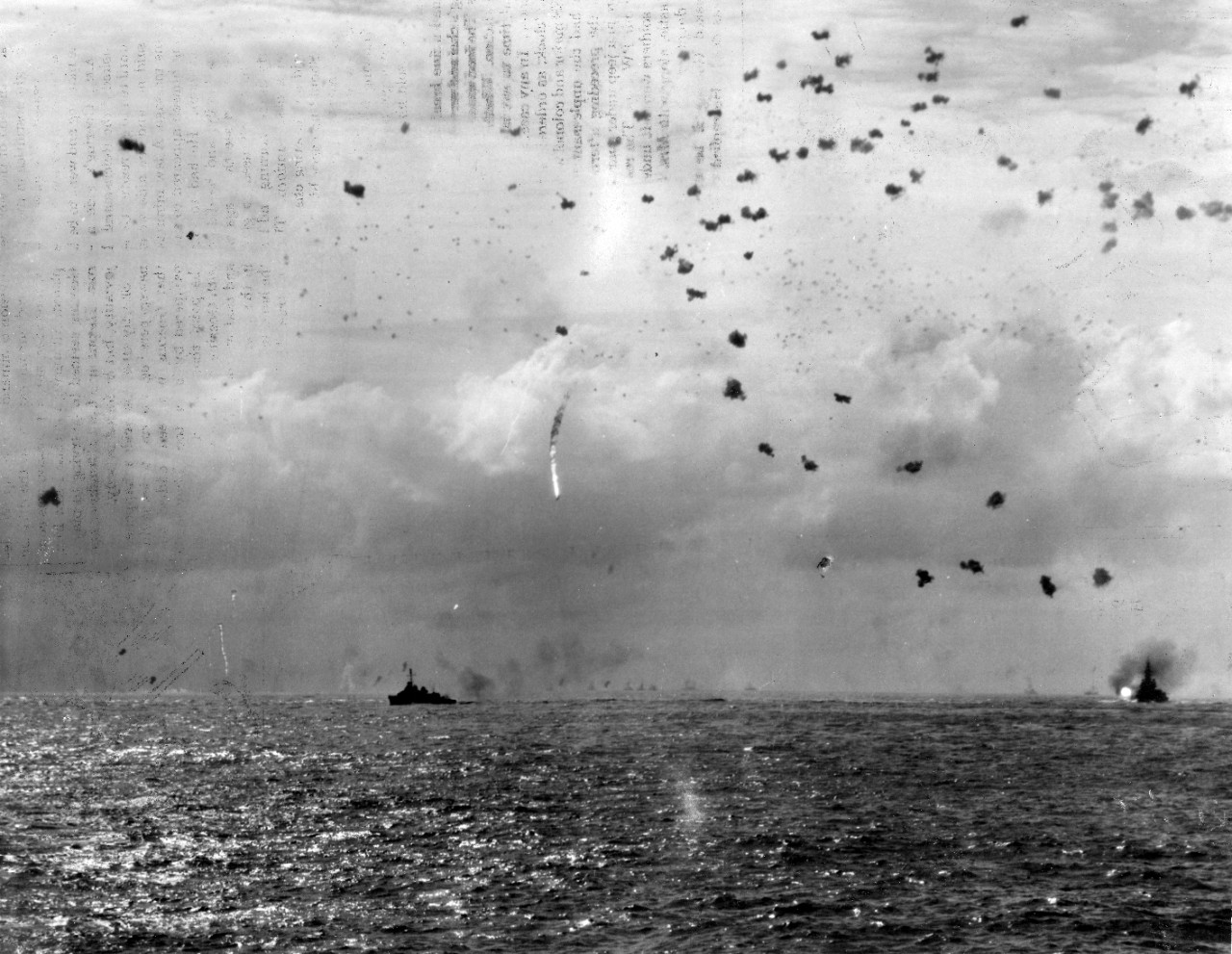
Two months later the U.S. began its invasion of Okinawa. In the great battle that will be forever remembered, our forces were driven from the island’s sea and sky. Yet during this critically important time I lay helplessly in bed, unable to contribute.
One after another the Jinrai attack units were thrown into the life-or-death battle until all had fallen from the skies over the southern ocean.
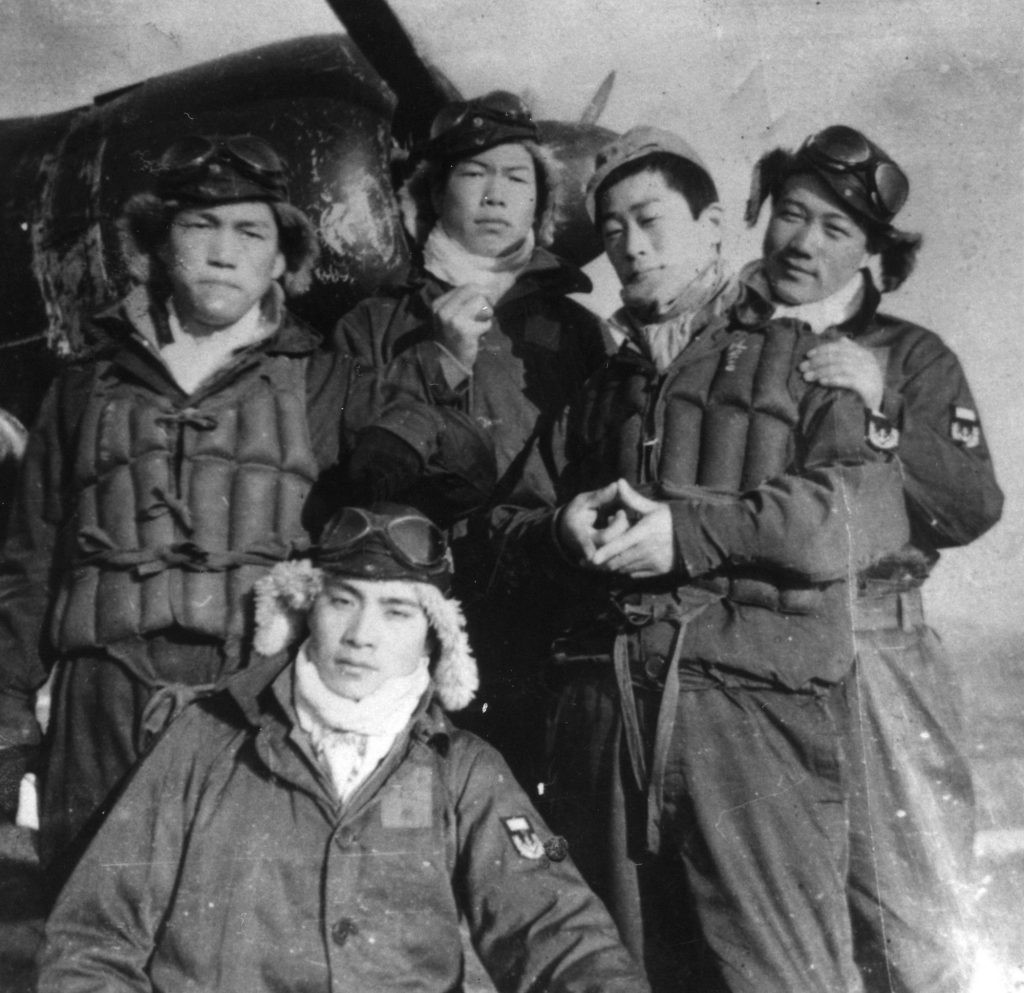
Left behind at Kō-no-Iké and unable to join my comrades in arms, I was overwhelmed with feelings of bitterness and regret. As long as I live I’ll never forget the men with whom I trained for those three eventful months. Even today, when their still familiar faces appear before me, I cannot suppress my tears.
One person stronger
I wasn’t deployed with the second and third groups from the Jinrai Butai either. It wasn’t until April 30 that I started to fly again and became one of pilots in the newly formed 722 Squadron, the Tatsumaki Butai.
The night before, still with a limp in my left leg, I went to see Lt. Akira Hirano, the squadron commander, to apologise for my long convalescence. Seeing me, he smiled warmly and spoke the words I remember fondly to this very day:
“Soo ka? You’re going to start flying tomorrow. The air power of Japan’s navy is now one person stronger!”
His kind words filled me with happiness and I became very emotional.
These extracts are from the diary of Masa’aki Saeki, trainee Yokosuka MXY-7/K-1 Ohka pilot, 721st Kōkūtai Jinrai Butai, Imperial Japanese Navy.
Translated by Nicholas Voge and shared with permission.
Nicholas Voge is a retired Pt. 135 airline pilot who spent his younger years living in Japan where he worked as a translator, copywriter and riding model for the Japanese motorcycle manufacturers. His translations include The Miraculous Torpedo Squadron, The Inn of the Divine Wind and Kaiten Special Attack Group, A Story of Stolen Youth.
 airscape Magazine