Click here for previous chapters
Eventually I got the Ohka under control, the altimeter settled down and I was able to turn my attention to the ground. But where was the field?
After searching frantically I picked out the Toné River. I knew the field was quite a way to the left of it. But all this time I’d been flying away from it at full speed.
Ever more difficult
I had to quickly bank left, but when I tried to do so the nose of the K-1 didn’t turn at all. Then I remembered, I wasn’t flying a Zero. The Zero would’ve banked right around with that much aileron input. Apparently the K-1 also needed some rudder to turn.
“Come on, turn,” I yelled, pushing hard on the foot bar and deflecting the stick all the way.
When I did so I felt tremendous wind pressure strike the right side of the K-1 as it skidded violently to the left. The wind was so strong that it pushed open the canopy and blew my face out of shape.
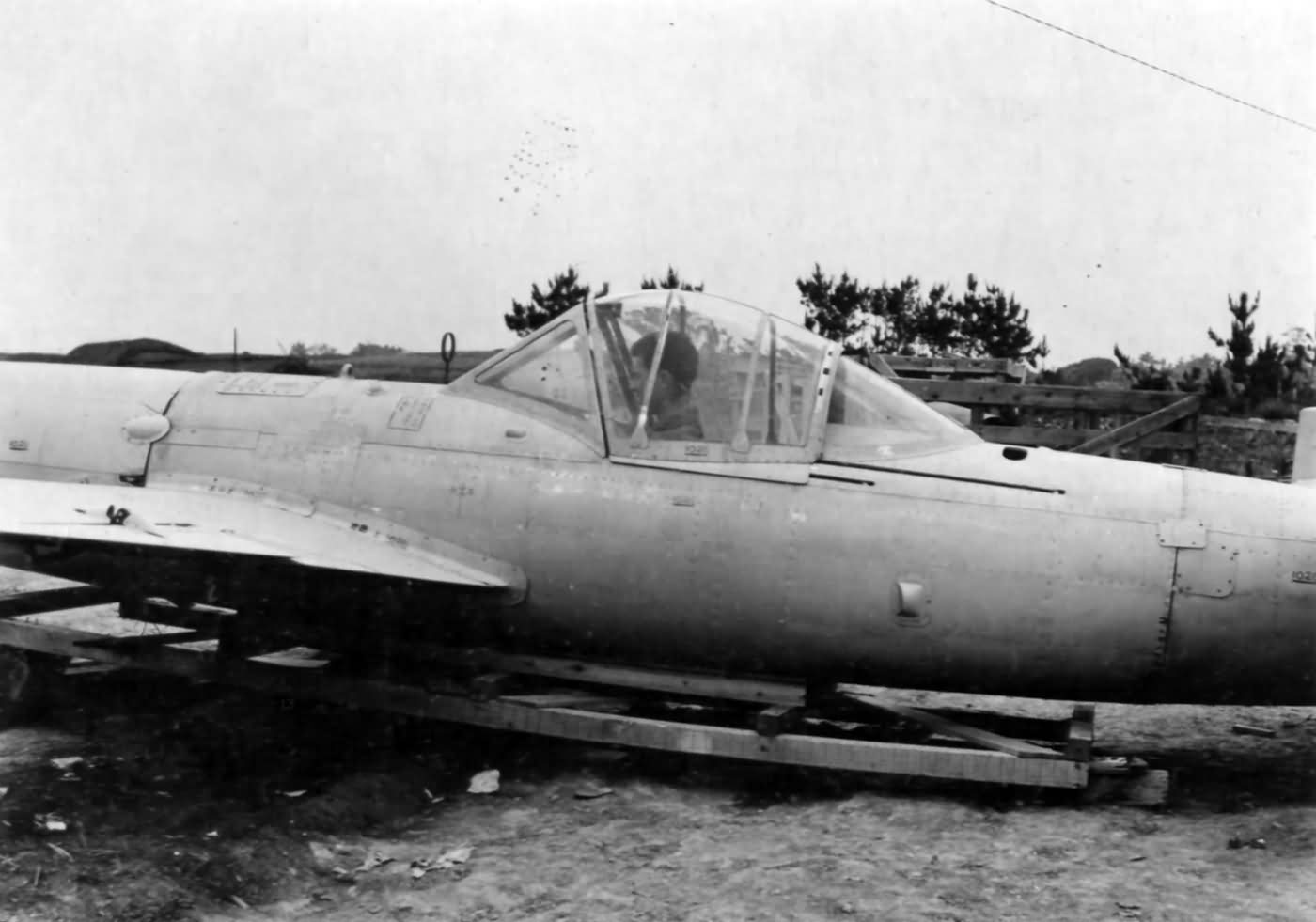
“Shit!” I thought, realising that I’d grossly over-controlled it. Switching the stick to my left hand I reached up and slammed the canopy shut. This only added to my workload, and all while I was steadily losing altitude.
Establishing my approach was becoming ever more difficult.
High and fast
I finally got my bearings and was able to devote all my attention to my approach and landing. Problem was, the canopy still wasn’t completely closed. I tried jerking it back and forth but it wouldn’t budge so I gave up and turned my attention to the altimeter and airspeed indicator.
I was already down to 1,500 meters. At 1,000 meters I’d have to deploy the flaps.
I still had 500 meters to go but all my floundering around had cost me dearly. The ground was coming up rapidly. The No. 2 airfield was only a couple of kilometres or so in front of me, but I still had to fly the long downwind leg parallel to the runway before making the 180° turn to final.
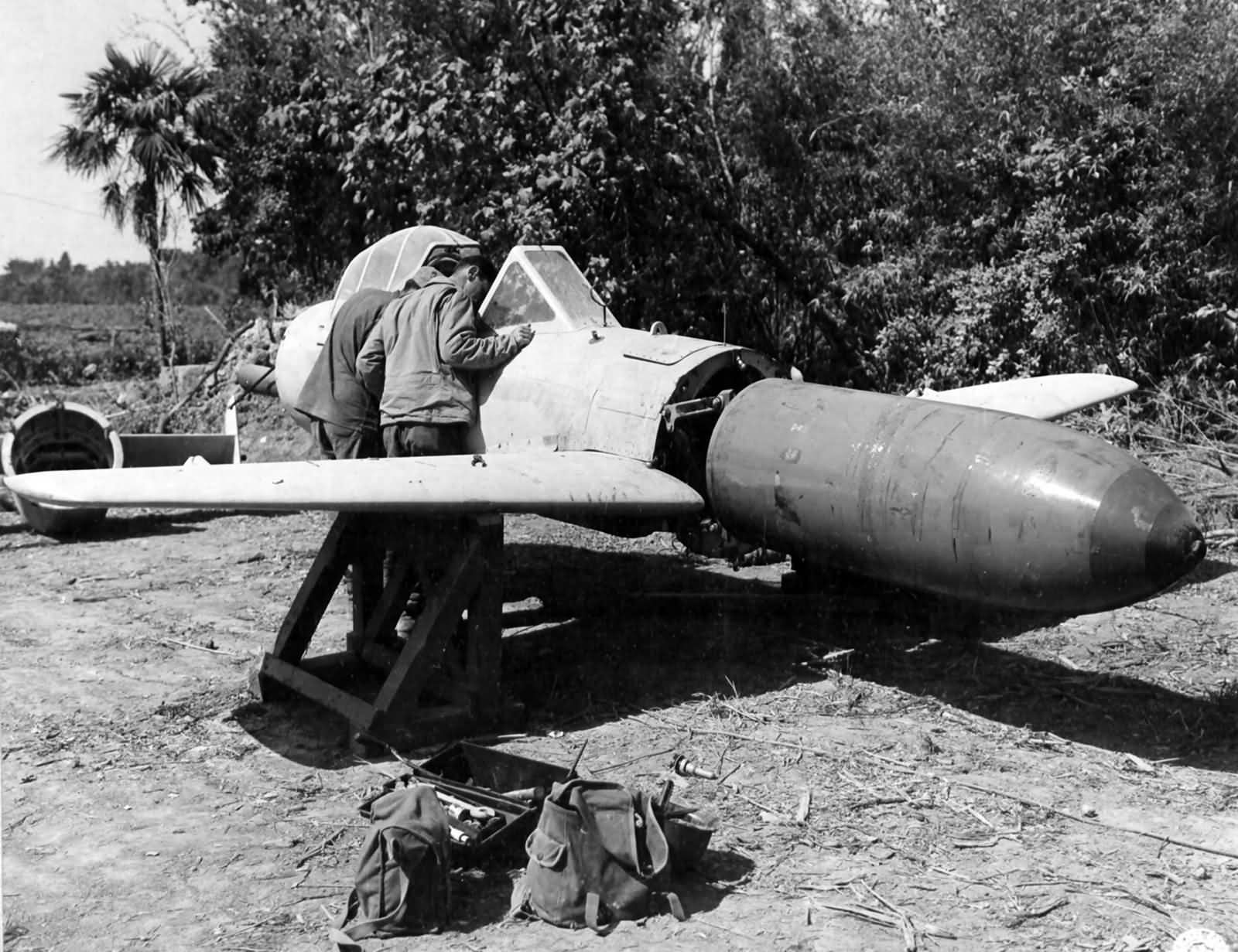
Afraid I didn’t have sufficient altitude and that I ‘d land short, I decided to land from the opposite direction, from my present position. This meant I’d come in high and fast, but if I did everything just right I figured I’d touch down at mid-field and roll to a stop before going off the end.
I had a bigger problem
Descending rapidly I soon passed 900 meters and went to deploy the flaps. The lever wouldn’t budge, probably because I still had too much airspeed. This was a serious problem.
I raised the nose to slow down. When the airspeed dropped I was finally able to get the flaps down.
I was now in the final stage of my flight. Judging by my speed and height I realised that had I continued with my original pattern I wouldn’t have made it. So my decision to land from the north rather than the south was correct.
However, when I began to set up for my landing I could see that I was still too fast and too high.
Too late to worry about it now. I had a bigger problem. I was going to land long – way long.
Touching down midfield was impossible. Even if I did everything right I probably wouldn’t touch down until reaching the very edge of field. This meant the navy’s top-secret super-weapon would end up in the local village where everyone could see it.
I pushed the stick forward to descend faster. But that only increased my airspeed.
Shooting along at low altitude in ground effect the K-1 refused to descend further. Attempting to force the nose lower had no effect. The K-1 remained stubbornly horizontal.
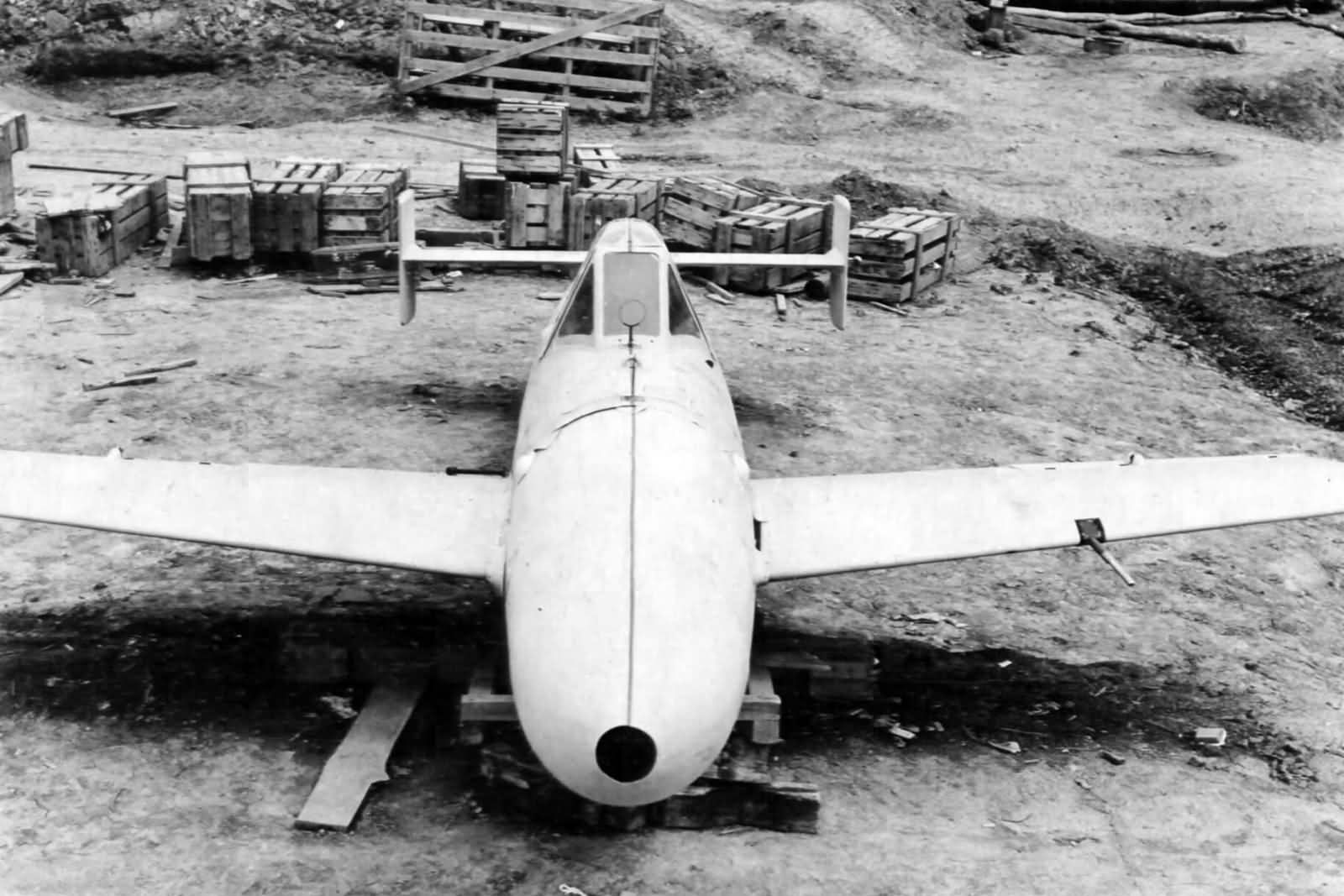
With increasing dread
The reasons for this were simple: The K-1 was small and sleek and, with no landing gear or other drag-producing protuberances, it was aerodynamically very efficient. It wanted to fly.
It was also very heavy for its small size. The heavy ballast in the nose — installed in place of the warhead to maintain the proper weight and balance — meant that it retained a huge amount of inertia from the dive, energy that was converted into airspeed and which took time to dissipate. And at the high speed I was going the wings were producing so much lift that the craft simply refused to settle down towards the field.
By this time I was already more than two-thirds of way across the field. No matter what I tried the K-1 simply zoomed along low over the ground.
With increasing dread I saw the border of our field rushing towards me through the windscreen. The wooden hangar at the field’s edge was coming up fast.
Stunned into disbelief
In desperation I forced the K-1 onto the ground onto its wooden landing skid. This belly landing was akin to landing a normal aircraft gear up and letting it slide along the ground.
There would be a tremendous impact when it contacted the ground at this speed, but I was hoping the friction would slow the K-1 enough to prevent it from hitting the hangar and crossing the airfield boundary.
That, however, was the last of the many miscalculations I made that day.
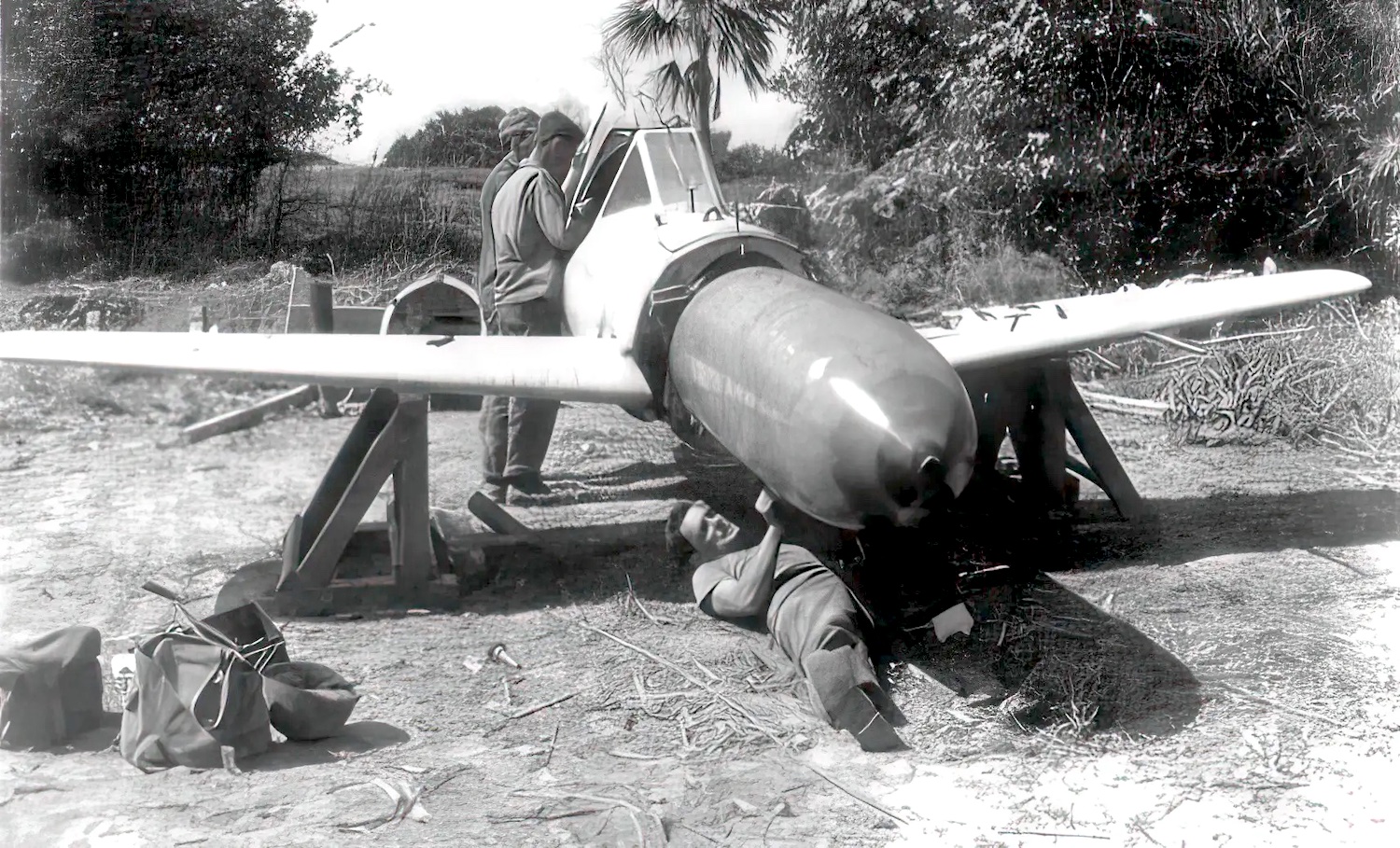
The skid was flexible so when it hit the ground with a violent impact the K-1 bounded into the air again. This wasn’t merely ‘ballooning’. The K-1 literally jumped upwards almost 150 feet and leaped clear over the hangar!
Stunned into disbelief, I instinctively pushed the stick forward. The K-1 scraped the hangar’s roof and, like a wild animal escaping its cage, headed for the field boundary.
In amazement I watched the hangar pass below me. That was one obstacle out of the way. Now, ironically, I felt I needed to retain airspeed and keep it flying. But after that final spurt the K-1 was finally losing its energy. It plowed through a gravel mound just outside the field boundary, sending a shower of gravel in all directions.
On the ground to stay
Ahead of me I could see a small cluster of barren trees and a farm field coming up fast. And I vaguely remember that between the trees was a house.
Although my K-1 was now definitely on the ground to stay it was still carrying a fair bit of speed and I had no idea where it was headed.
NEXT TIME: My friends depart, never to return >
These extracts are from the diary of Masa’aki Saeki, trainee Yokosuka MXY-7/K-1 Ohka pilot, 721st Kōkūtai Jinrai Butai, Imperial Japanese Navy.
Translated by Nicholas Voge and shared with permission.
Nicholas Voge is a retired Pt. 135 airline pilot who spent his younger years living in Japan where he worked as a translator, copywriter and riding model for the Japanese motorcycle manufacturers. His translations include The Miraculous Torpedo Squadron, The Inn of the Divine Wind and Kaiten Special Attack Group, A Story of Stolen Youth.
 airscape Magazine