Click here for previous chapters
I grabbed the stick and steeled myself for the release.
My every nerve was tightly strung. I was rigid with tension. Now there was nothing left to do but what I’d been trained for.
“If we’re gonna do it, let’s do it,” I thought.
The tension was unbearable and I just wanted to get it over with.
The ‘coffin lid’ was open
Once they dropped me I’d at least be flying. I wouldn’t be able to climb, of course, but I could fly level, bank and descend. I’d exercised the flight controls on the ground but wouldn’t know how they responded until actually flying the thing.
Tensed up, I just sat there and waited. But when there were no signs of an impending release I looked up at the open hatch to see what was going on. Like one of those glass-bottomed boats from which tourists view the seabed, the ‘coffin lid’ was open and the crew was staring down at me and waving their hands back and forth.
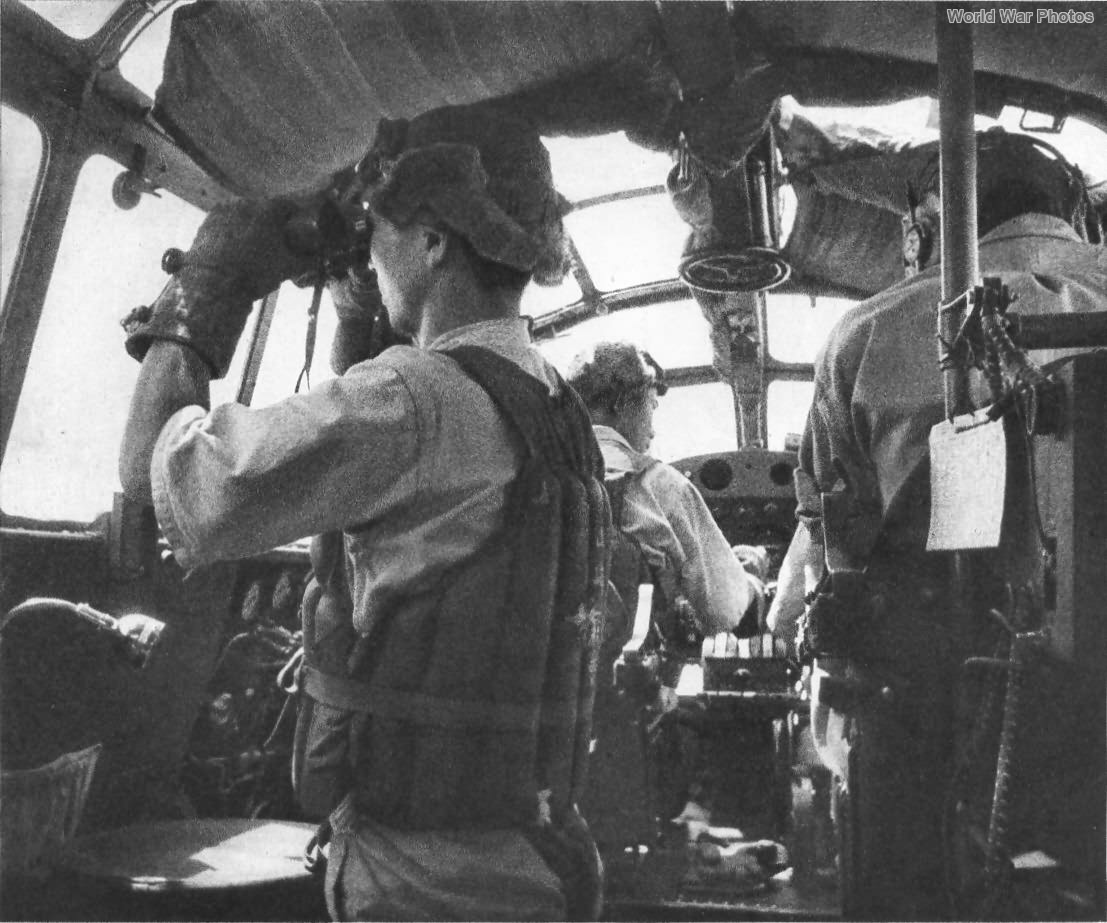
Were they signalling the drop was cancelled, or signalling me not to look up? Or did they just want me to remain where I was because we were returning to base?
Whatever it was, things didn’t seem to be going to plan. I relaxed, took a deep breath, released the stick and put my gloved hands in my lap to warm them.
Accidents during drop training
There’d already been a number of accidents during drop training. Considering the number of squadron members there hadn’t been that many, but the number of accidents was still concerning. From what I heard, one of the killed pilots had the control stick sticking out his back. Of those who’d been hospitalised one was left permanently disabled. There were plenty of stories…
In any case, accidents resulted in death or, if one survived, some sort of physical handicap. Minor injuries and close calls happened every day, of course, but everyone who got through their initial training unscathed were scared when they climbed into the K-1.
Then there were men like Flight Seaman Kazutoshi Nagano who said that the more training flights he made the more they scared him.
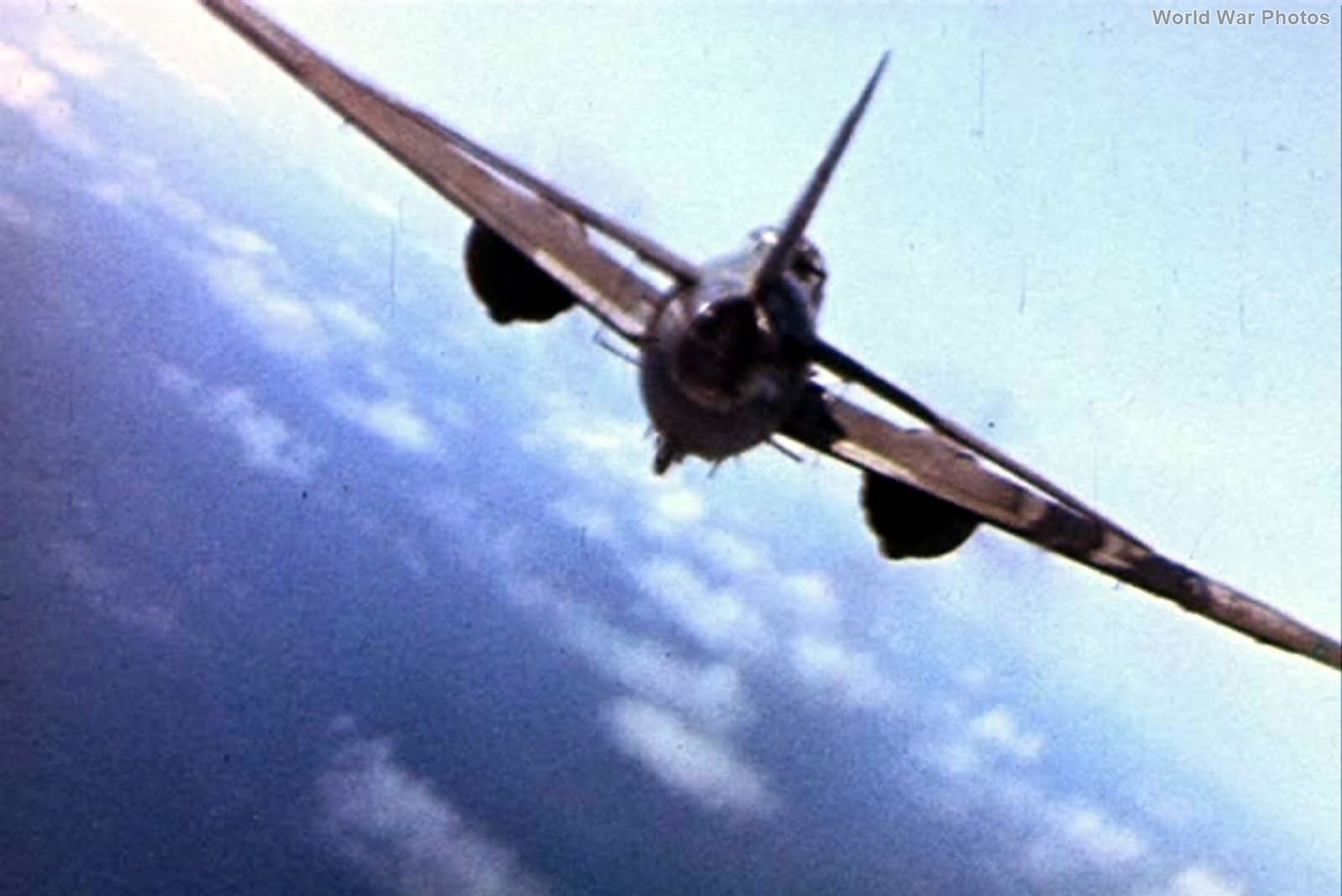
A number of accidents occurred when the K-1s fell from the bombers prematurely because they weren’t properly attached. This could happen when a bomber banked steeply during a go-around to set up another drop run and the mounts couldn’t handle the added G-force.
Don’t worry about it
In one accident I witnessed, the K-1 detached without warning and fell like a bomb.
Accelerating with terrifying speed it made a series of rapid right/left banks as the pilot fought for control. Horrified, I watched him get it under control and level it out just over the runway but it was going so fast it shot off the end and disintegrated in the pine trees. The canopy was ripped off and, according to a surgical nurse, the pilot’s neck was sliced so far open by the canopy rail that his oesophagus was visible.
Even among those pilots who managed to complete their drop training without incident there were many who’d had close calls, but they were ordered not to talk about it so as not to scare the others.
This prevented us from learning from their experiences or asking them what to watch out for. In fact, if someone sought information about an incident or about the K-1’s flying characteristics, they’d just say, “Oh, don’t worry about it.”
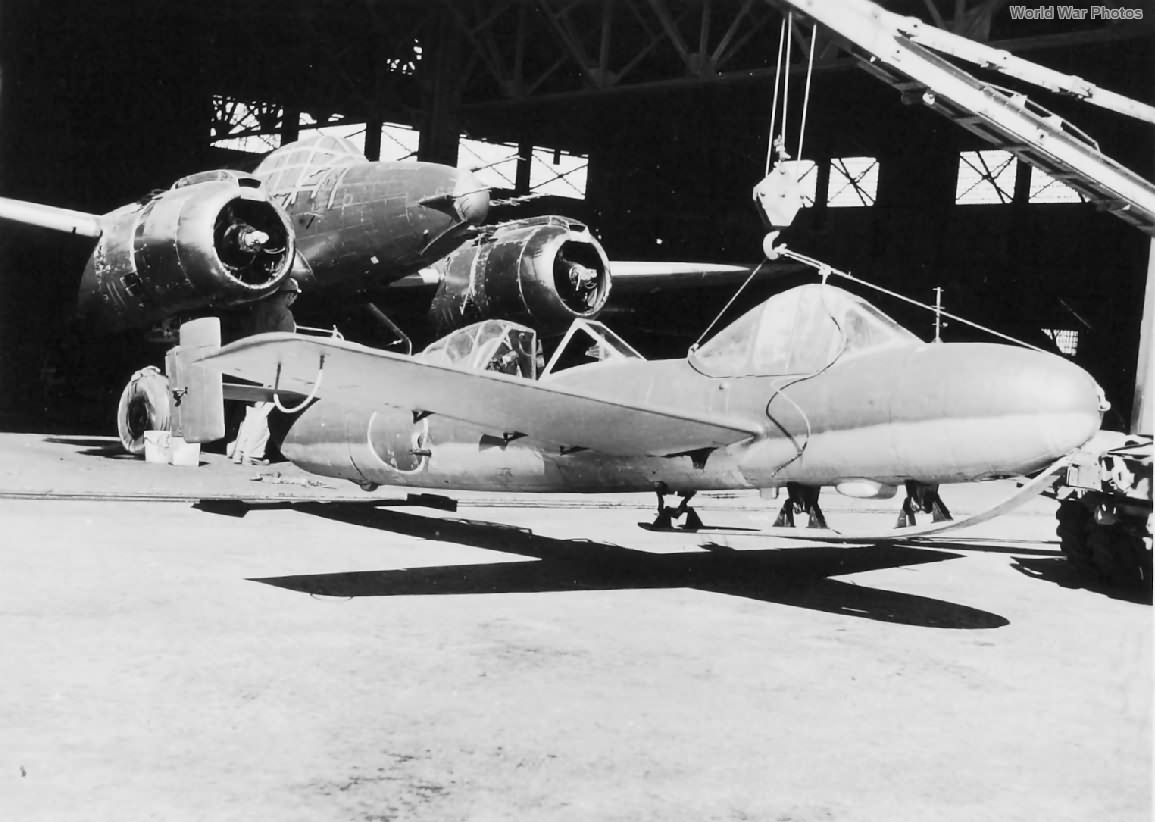
Woefully unprepared
By discouraging the free exchange of ideas and information, what little information we were able to glean from other pilots was interpreted differently depending on the individual. The skill levels of the pilots also differed considerably. This meant there were no general rules developed to guide us through the training. When something unexpected happened the pilot had to figure it out for himself.
Not surprisingly, I soon realised that I was woefully unprepared for the task ahead. Even when a veteran pilot had a close call he couldn’t talk about it and we didn’t learn from it. When the unexpected happened, all we had to rely on were the accumulated skills of our flying experience prior to arriving at the squadron.
As it was, even our most experienced pilots needed all their skills to fly the K-1s as we were expected to. Any hesitancy in an emergency, or the inability to handle an emergency, could prove fatal.
Long before my first drop I made a nuisance of myself by asking everyone I could every question I could think of, even if it made me look like a complete fool.
And it was a good thing I did…
NEXT TIME: Desperation at 3,000 metres >
These extracts are from the diary of Masa’aki Saeki, trainee Yokosuka MXY-7/K-1 Ohka pilot, 721st Kōkūtai Jinrai Butai, Imperial Japanese Navy.
Translated by Nicholas Voge and shared with permission.
Nicholas Voge is a retired Pt. 135 airline pilot who spent his younger years living in Japan where he worked as a translator, copywriter and riding model for the Japanese motorcycle manufacturers. His translations include The Miraculous Torpedo Squadron, The Inn of the Divine Wind and Kaiten Special Attack Group, A Story of Stolen Youth.
 airscape Magazine