Click here for previous chapters
Time to go
After flying a bit longer the bomber made its final turn and lined up on the drop run. I’d been daydreaming and lost track of the time but snapped out of it instantly when tapped on the shoulder. I turned around to see one of the crew waving at me and making hand signals.
“Oh, time to go,” I thought, feeling foolish that they’d had to remind me.

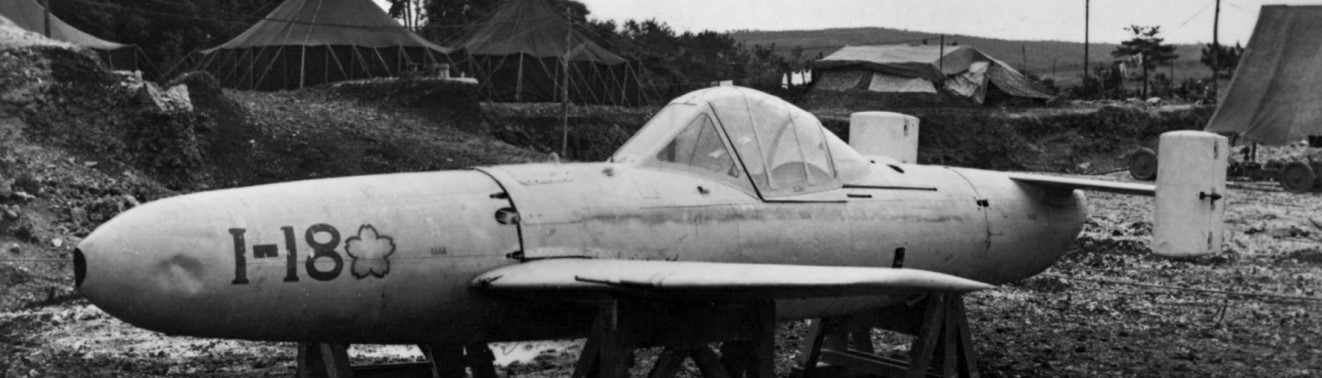
The only way into the K-1 from the bomber was via a square hatch in the bottom of the fuselage. We called it the ‘coffin lid’, as directly below it was K-1’s open cockpit and seat.
The crew started to open the hatch but had trouble getting it open. When they finally did, the dark interior of the bomber was instantly flooded with bright light, illuminating our faces in harsh detail. The light was accompanied by blast of freezing winter air and an ear-splitting roar from the bomber’s engines. I began to shiver uncontrollably.
Both terrifying and awe-inspiring
Just below the open hatch the K-1 shook in the turbulence. A piece of loose wire hanging from the bomber’s belly banged noisily as it whipped about in the wind.
Moving to the edge of the hatch I lowered my legs into the airstream. They were instantly blown backwards by the vicious wind.
Finally, pulling myself into a crouch, and with my legs bent against the wind, I grasped the edges of the hatch and lowered myself outside the bomber. But though I could see the seat of the K-1 directly below me I couldn’t feel anything with my feet.
The view was both terrifying and awe-inspiring. The winged torpedo gleamed sleekly in the sunlight. Buffeted by the turbulence it shook in its mounts as if impatient for release. The only other things visible were the limitless blue sky and the green earth passing by far below.
Immensely relieved
An overpowering fear welled up in me. If I missed the seat and stepped down outside the canopy rail onto the slippery fuselage I’d instantly be swept into the void. I stretched my legs as far as I dared but my toes still didn’t reach the seat.
Finally, with a death grip on the edges of the hatch, I frantically lowered myself further, stretching my legs downward as far as possible. I swung my feet around blindly. I felt something. The guard rail for the windscreen. Immensely relieved I relaxed my grip on the hatch and lowered myself onto the seat.
In that instant I felt the warm blood coursing through my veins again.
Ties to the mother ship
My first task after getting seated was to fasten my parachute ripcord to its static line in the K-1 to ensure that if I were ejected from it the chute would automatically open. Then I had to remove the control lock from the stick.
I’d already practiced removing the control lock from a K-1 in the hangar so I should’ve been able to remove it easily. But for some reason I couldn’t, probably because I was stressed, or maybe due to the airflow over the control surfaces.
Eventually I got it off and handed it up to a crewman in the entry hatch.
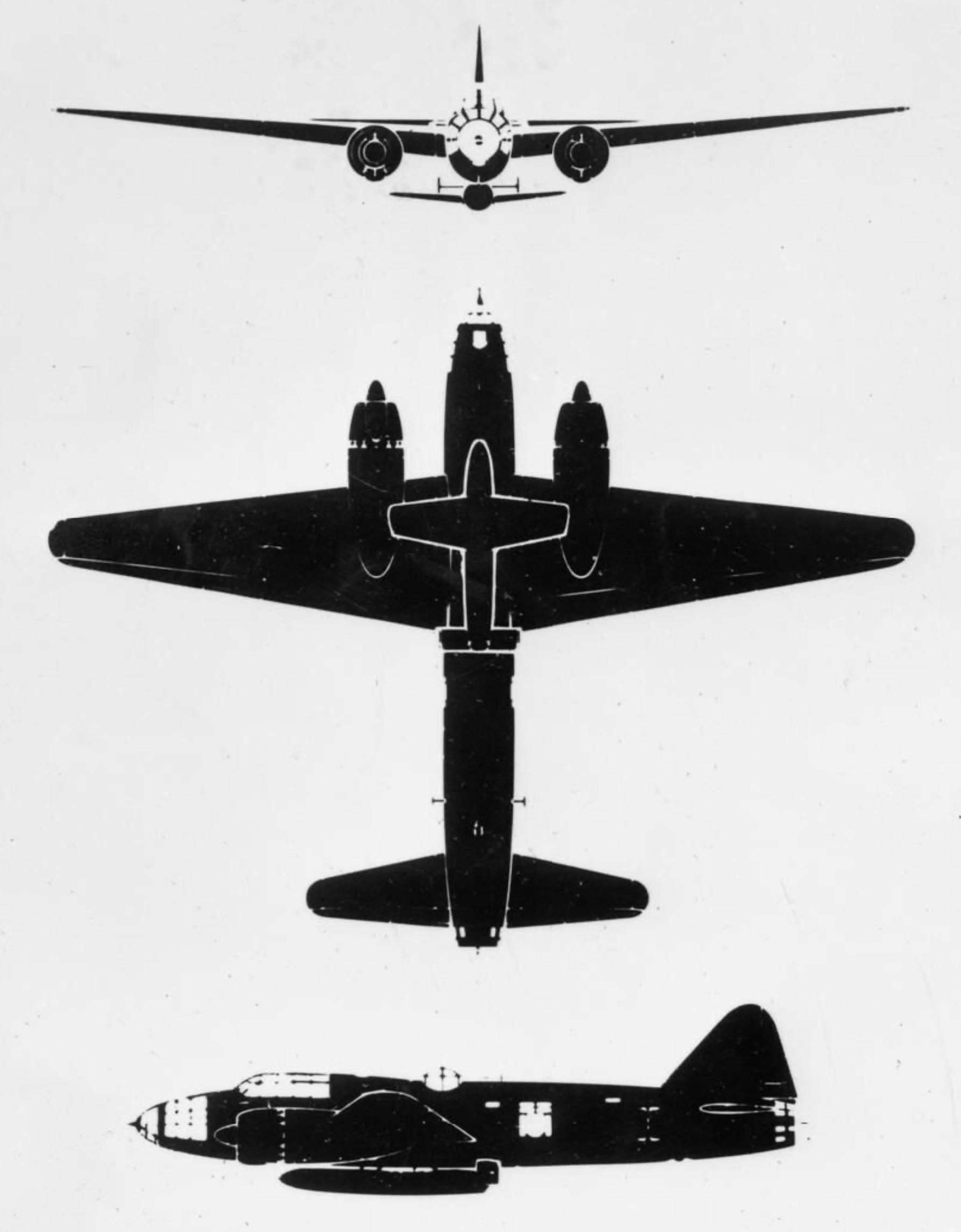
Gazing around I was struck by the enormous size of the bomber’s belly and its huge fully deployed flaps. These allowed the bomber to fly slower, making it easier for me to enter the K-1.
Looking up I saw the two crewmen peering down at me from the hatch with anxious expressions. Framed by the black fuselage their faces were a portrait of concern. I tried to appear calm and in control but they just nodded at me.
Next, I removed the lock from the rudder bar and handed it up. My ties to the mother ship were loosening.
I fastened my seat belt and put my hand to my head. My forehead protector was gone. What happened to it? It was there as I entered the cockpit. I looked around but couldn’t find it. A hand reached down from above and pointed at something. No time. I slid the canopy forward, but it wouldn’t close completely. Panicking, I pushed it all the way back and slammed it forward, snapping it closed. I then latched it to prevent it from opening during the descent.
“Saa,” I thought with relief. Ready. I pushed the button that indicated I was prepared for release.
I am my own Lord
With the canopy closed it was quieter. Preflight preparations were completed. In those few moments of relative quietude I had the distinct sensation of being totally alone, floating in the vastness of space.
It is said that when Buddha was born he said: ‘I am my own Lord throughout heaven and earth’. Is this what he meant? I felt like I was walking on the clouds wearing wooden clogs.
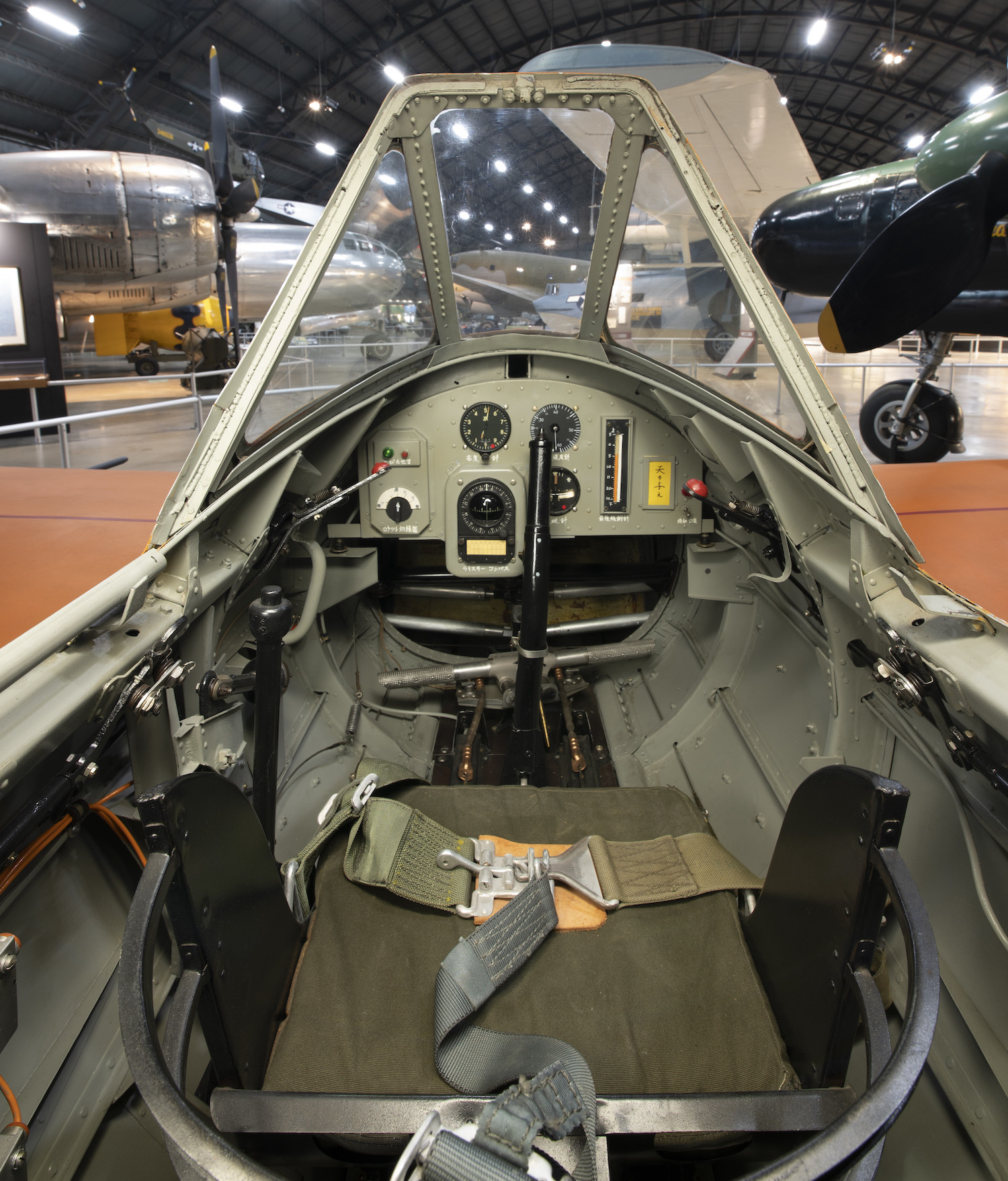
Then I snapped out of it, reminding myself that I had to fly this thing. I looked down, trying to orient myself with my location but the K-1’s wings blocked my forward view of the ground. As long as the K-1 was horizontal it was impossible to see much. Unlike a normal aircraft the cockpit was much further back from the nose.
Unable to see below me I pressed my face against the canopy and tried to look down behind the wing’s trailing edge. But I still couldn’t see much of anything. I didn’t know where we were or even where we were going.
When gliding down in the Zeros it was easy to see the ground. The visibility was superb and I could instantly orient myself. But now, squeezed into this tiny box, I couldn’t bank and look down.
Prepare for release
The horizon was merely a hazy line in the distance. I looked in all directions, even behind me, but couldn’t see anything. This wasn’t surprising because the tail of the K-1 was nestled right against the bomber’s rear fuselage.
Of course, we knew in principle the course the bomber would fly. It wasn’t much different from the course we flew when doing our glide training in the Zeros. So I was sure I’d quickly recognise my landmarks. Still, it was disconcerting to be unable to visually confirm my location.
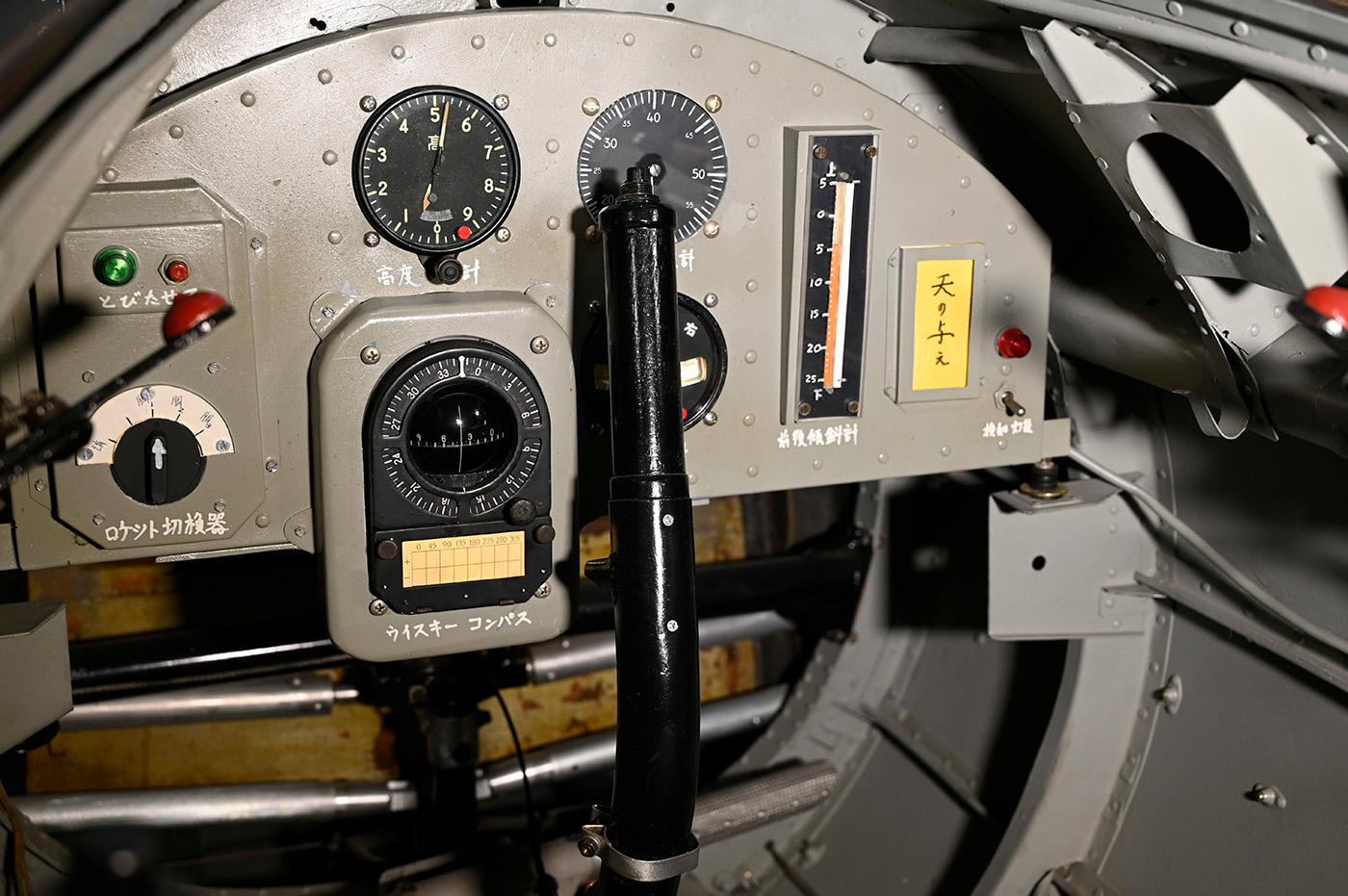
Busy as I was looking outside I hadn’t noticed the lamp flashing on the instrument panel. At first I didn’t know what it meant, but figured it must mean ‘prepare for release’. That’s all it could mean.
Okay, I thought, here we go.
But I was mistaken. The flashing lamp meant that they were going around to start another drop run. I’d taken so long to prepare that the bomber had passed the predetermined release point and had to start over.
NEXT TIME: Let’s do it >
These extracts are from the diary of Masa’aki Saeki, trainee Yokosuka MXY-7/K-1 Ohka pilot, 721st Kōkūtai Jinrai Butai, Imperial Japanese Navy.
Translated by Nicholas Voge and shared with permission.
Nicholas Voge is a retired Pt. 135 airline pilot who spent his younger years living in Japan where he worked as a translator, copywriter and riding model for the Japanese motorcycle manufacturers. His translations include The Miraculous Torpedo Squadron, The Inn of the Divine Wind and Kaiten Special Attack Group, A Story of Stolen Youth.
 airscape Magazine