Click here for previous chapters
It was on one of those hot summer afternoons when I’d finished up with my last student of the day. The other instructors and I then made a series of mock submarine attacks with dummy bombs in Amakusa Harbor in our seaplanes.
After completing our training, we pulled our seaplanes onto the apron and returned to the command center to chat and have a smoke. Not far away we noticed our heavily bearded commander and a senior crew member engaged in animated conversation. They were standing between a Type 94 and a Type 2 that were parked nose to nose and they were clearly worked up about something.

Pilots and aircrew were often excited after a flight, but there was something in their manner that struck me as unusual. It wasn’t like our commander to be standing around yakking away like that. But I just figured it must be about an upcoming reassignment or something.
Something very serious
It had just stopped raining. In the puddles of standing water were reflections of our aircraft, their engines now quiet. It was a very tranquil scene.
After a bit the senior crew member came over and joined us but our commander remained standing where he was. Something in his expression intimated that he had something significant to tell us. Instead, he just stood there smiling to himself, as if unsure of what to do.
Then, he called one of us over to him. After speaking to him, he called over one more, going down the line until he’d spoken privately with all seven of us Amakusa instructors.
Flight Seaman Masahiro Nishimoto was the sixth person he spoke to. From their demeanor I could tell that it was something very serious. Of course, I couldn’t hear what the commander told him but he was clearly giving him some sort of pep talk.
I was the last to be called. When I stood in front of him, he smiled grimly and said, “Okay, swear you won’t breathe a word of what I’m about to say to anyone!”
Since I merely stood there, somewhat dumbfounded by what I’d heard, he repeated himself.
“Promise you won’t say a word about this to another person.”
“Hai, I promise.”
“Good, this is what’s happening,” he said, swallowing hard before continuing.

It’s finally come to this
“The navy has created a top-secret new weapon that can infallibly sink an enemy carrier or battleship. We are now searching for pilots for it in strict confidentiality. Only the bravest of the brave need apply. Think you can do it?”
At this he paused for a moment, as if to gauge my reaction.
“You don’t have decide right now,” he continued. “Think it over for a few days, but don’t discuss it with anyone.”
I was stunned. His words struck me like a bolt of lightning. Of course, body slamming attacks. After a few moments of silence I burst out, “Hai, I’ll go!”
“You sure?”
“Absolutely!”
“Okay, dismissed. But remember, don’t talk about this to anyone, understand?”
And that was it. But afterwards I did talk about it with Flight Seamans Iwao Fumoto and Nishimoto.
“Well, it’s finally come to this.”
Flight Seaman Fumoto held out of one his hands palm upwards then quickly flipped it over in a diving motion.
“Nishi, what’d you say?” asked Fumoto.
Nishimoto turned to him with his eyes flashing and said, “I told him I’d go gladly.”
We talked on for a while and ended our conversation by saying, “The three of us are probably going to die together.”
Special attack units
This episode took place in early October, 1944. The Formosa Air Battle had just taken place and a great victory was proclaimed, but that was the last we heard of it.
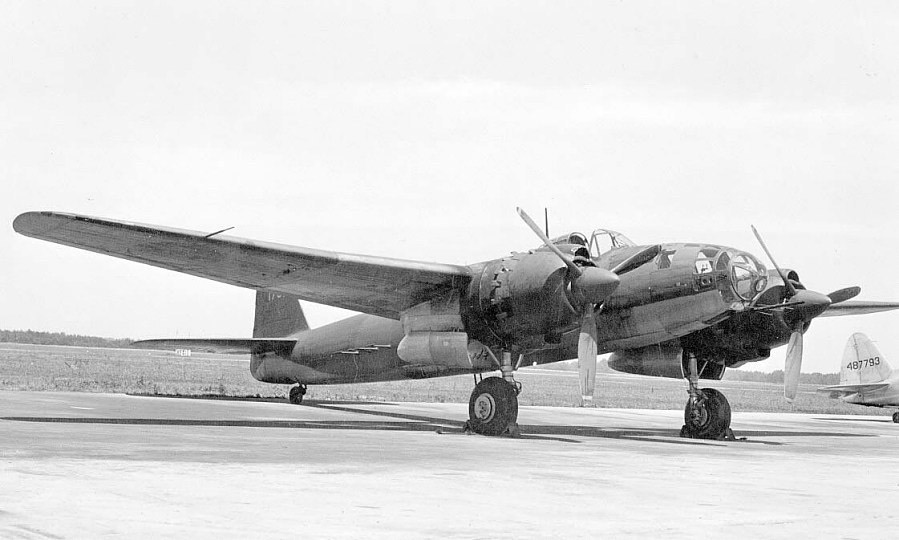
Shortly thereafter the Americans started landing at Leyte and announcements were made about the formation of kamikaze special attack units. We heard they were crashing bomb-laden Zero fighters into ships. The thought occurred to me that the army pilots really had their hands full when suddenly two of our pilots from Amakusa, Tsutomo Kawaguchi and Masayoshi Nakahara, received transfer orders. When I asked where to, they gave me the name of a group I’d never heard before and had no idea where it was.

“Probably a secret group,” said Kawaguchi with a worried look. “Maybe they’re gonna fly the Ginga I heard lots of ‘em got wiped out in Taiwan.”
That was the last we heard of those two. We had no idea what became of them. We figured they’d probably been sent to the front, but it was unsettling not to know.
That got our attention
By the time fall arrived, memories of our discussion with our commander were beginning to fade. But then in mid-November the three of us suddenly received orders for a transfer. That got our attention.
“You guys are going to the 721st, the same as those other guys,” we were told. “That’s a front-line squadron. You can’t even get mail there.”
Hearing that, the three of us mused: “Are they gonna make single-engine seaplane guys like us fly bombers? The squadron number starts with a 7. That’s a land-based bomber group. That a Ginga group? So many of the land planes got shot down, so from here on out we’re probably gonna be land-based too. Either way, it’ll be all over for us pretty soon.”
It’s all over for you guys
Shortly thereafter we said goodbye to Amagusa, spent a full day rattling along on a train and arrived at Tsuchiura on November 17. There we were astonished to see tiny snowflakes swirling through the air and shivered in the unaccustomed cold.
A stern-faced petty officer herded us into a boxcar on a train for Hokota*. Accustomed to the warm climate of Kyūshū, we were soon shivering uncontrollably, chilled to the bone by the ‘Tsukuba winds’ blowing from a leaden sky.
“Anō, can I ask you a question?” said Iwao, bowing slightly. “We’re going to the 721st and I…..”
The petty officer instantly perked up, his eyes sparkled and his stern demeanor became more compassionate. “Ah sō desu ka. That’s too bad. It’s all over for you guys. The 721st is using the new rocket weapon,” he replied, with a mixture of pride and pity.
They’re gonna make us fly a rocket plane? We thought, with a thrill. But after digesting that fact for a few moments the reality of it all hit home.
*HOKODA on the Kashima map.

That’s where the action is
“The day before yesterday another guy was killed,” said the petty officer. He went on to explain that while practicing drops from the bombers there’d been a few deaths. “They just drop you like a bomb.”
He continued talking in the vein, and we learned for the first time that it was like the German V-1 rocket bomb but with someone piloting it, and that it was carried beneath a Type 1 bomber close to its target. When he finished, I asked him, “So, where will be going?”
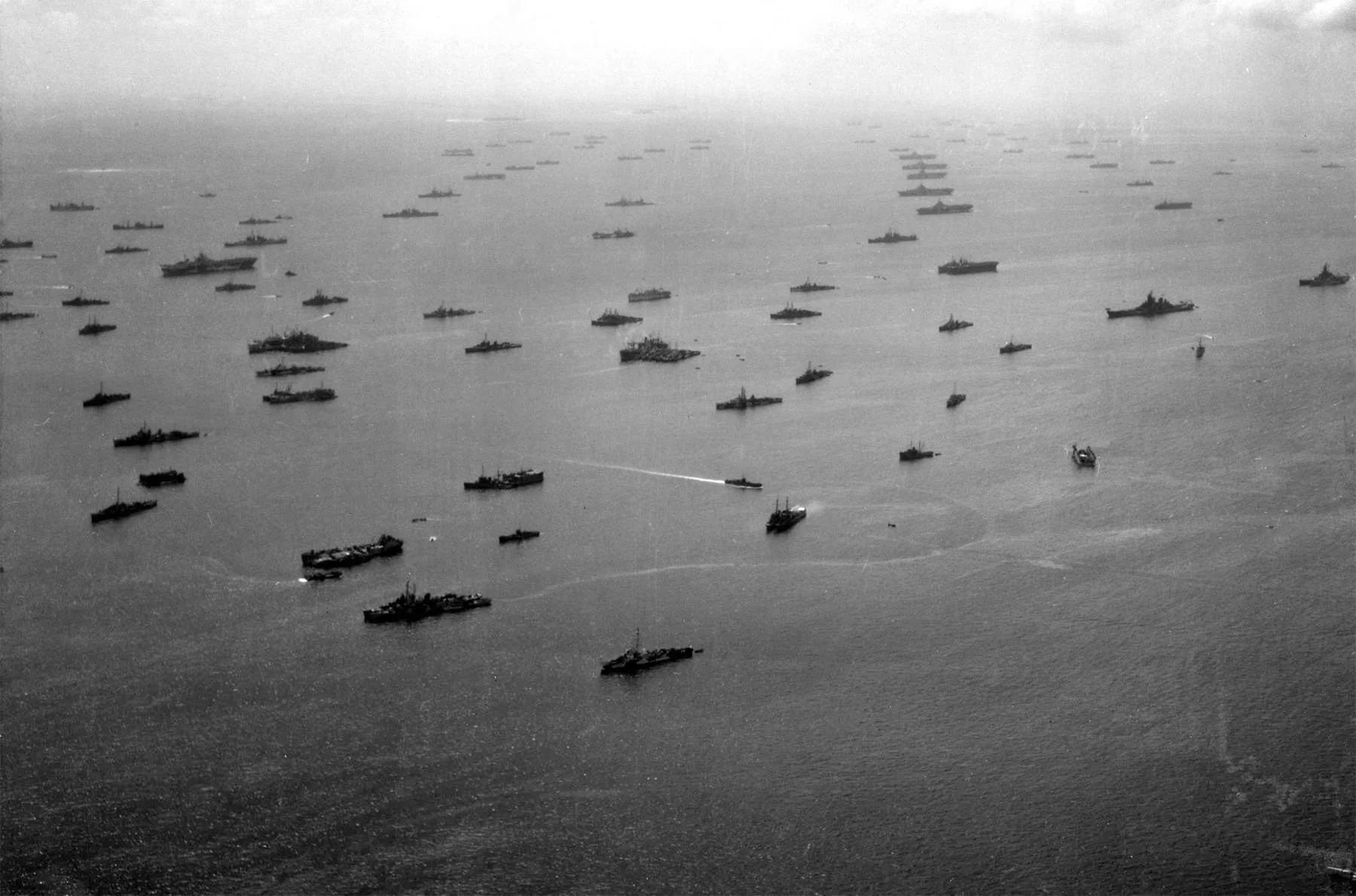
“Leyte!” he said enthusiastically. “For the Leyte Island campaign. You guys are joining the squadron and starting training. Then you’re going to the Philippines. That’s where the action is! The place is swarming with big American ships.”
Later we learned that this petty officer was a senior corporal at the 721st.
NEXT TIME: Our coffins were painted pink >
These extracts are from the diary of Masa’aki Saeki, trainee Yokosuka MXY-7/K-1 Ohka pilot, 721st Kōkūtai Jinrai Butai, Imperial Japanese Navy.
Translated by Nicholas Voge and shared with permission.
Nicholas Voge is a retired Pt. 135 airline pilot who spent his younger years living in Japan where he worked as a translator, copywriter and riding model for the Japanese motorcycle manufacturers. His translations include The Miraculous Torpedo Squadron, The Inn of the Divine Wind and Kaiten Special Attack Group, A Story of Stolen Youth.
 airscape Magazine
