Tail chase

. . Rule for Life #4: Keep your eyes open (because it’s amazing what you’ll find when you’re looking for something else)   I was hunting for photos of Spitfire production when I happened across this incredible photo of Spitfire destruction. It came from a 1942 newspaper file and carried the slug ‘AUSTRALIAN PILOT WINS COMBAT WITH HALF DESTROYED RUDDER’. Needless to say, my curiosity was aroused, … Continue reading Tail chase

On the numbers

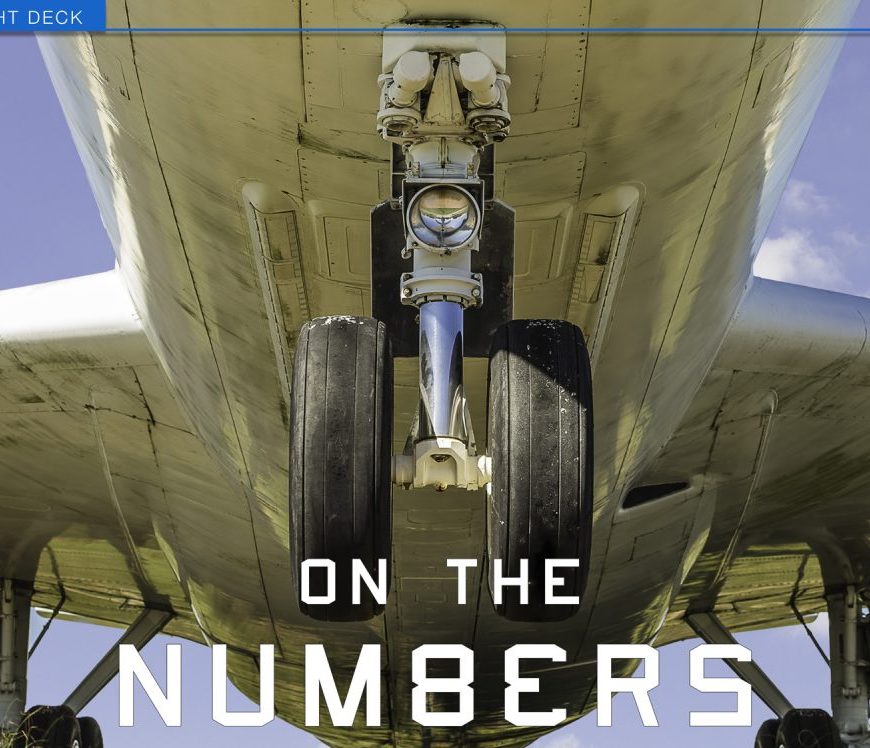
Feature image (above) ©  Robbie Schubert | Dreamstime.com Following my recent post from the dawn of modern commercial aviation (see Constellation Crossing) I thought it would be interesting to compare the state of air transport today – 69 years later. So, in my incessant web trawling, I came across the website of the Air Transport Action Group (ATAG), a non-profit dedicated to giving the global … Continue reading On the numbers

Constellation crossing

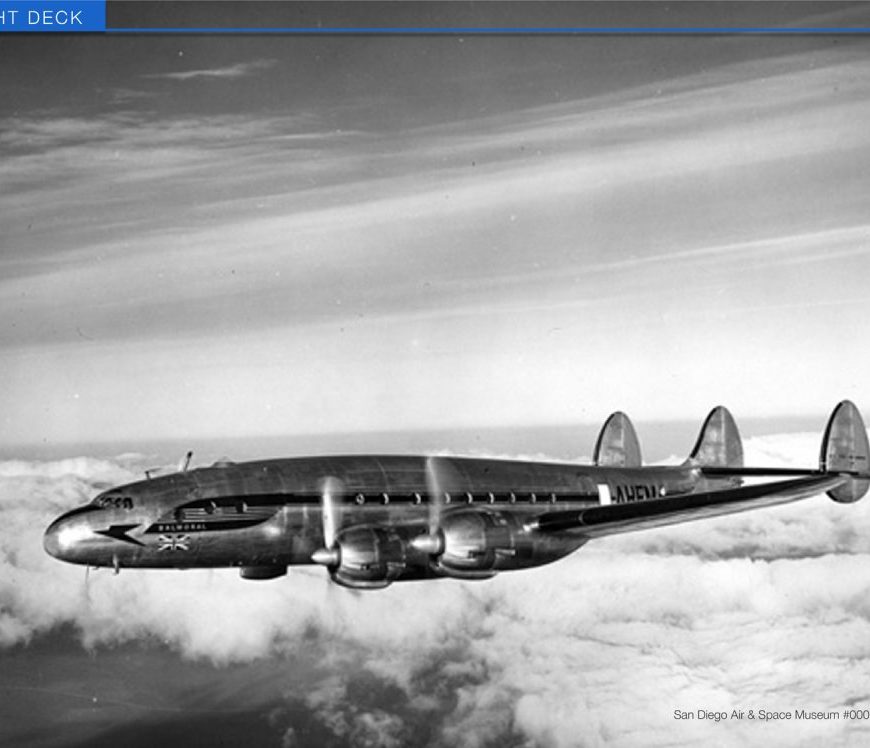
Feature image © Thomas Kirn G-AHEM (cn 1978) ‘Balmoral II’, sister to our story’s aircraft G-AHEL ‘Bangor II’. It’s not widely known that BOAC, forerunner of British Airways, continued to fly global services throughout World War 2 – and by 1945 no airline had more experience crossing the Atlantic. At war’s end, the airline was swift to acquire five Lockheed C-69 transports, completed as L-49 Constellations, … Continue reading Constellation crossing

Wormburners 101

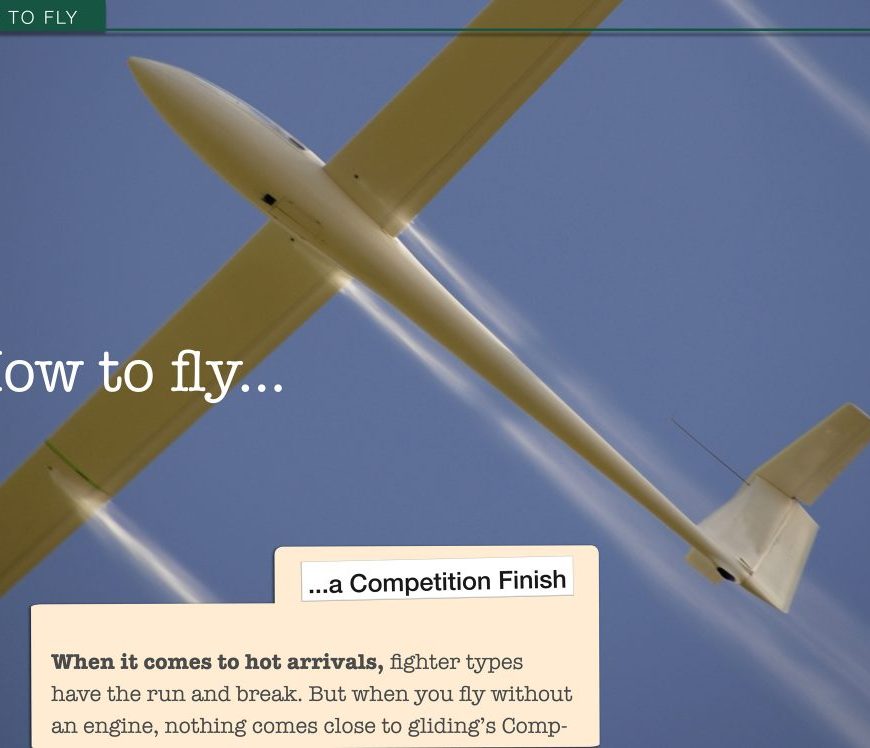
When it comes to hot arrivals, fighter types have the run and break. But when you fly without an engine, nothing comes close to gliding’s Competition Finish. The concept is straightforward (and slightly downward). Gliders have a known best glide angle, so there’s a reciprocal approach slope that rises out from the designated finish point. Once you intercept this slope you can forget about slow … Continue reading Wormburners 101

Safety, Edwardian-style

  If you still can’t believe World War One pilots were never issued with parachutes, this glimpse into Edwardian attitudes may help… Last post, I shared Flight magazine’s account of the first fully documented spin recovery (‘Parke’s Dive’), from August 31st, 1913. But before we move on, here’s an editorial that appeared just two weeks later, on September 13th, 1913. Even though Parke was restrained … Continue reading Safety, Edwardian-style

In a spin

  Inspired by master spinner Rich Stowell’s salute to Harry Hawker 100 Years of Intentional Spins (do make sure you watch it) I looked up that original account of the first described spin recovery by Wilfred Parke. What follows is Flight magazine’s original account of the event, with a PDF of the full, original article down below. From Flight, August 31st, 1912 Salisbury Plain, Sunday, August 25th Here is the true … Continue reading In a spin

Need a lift?

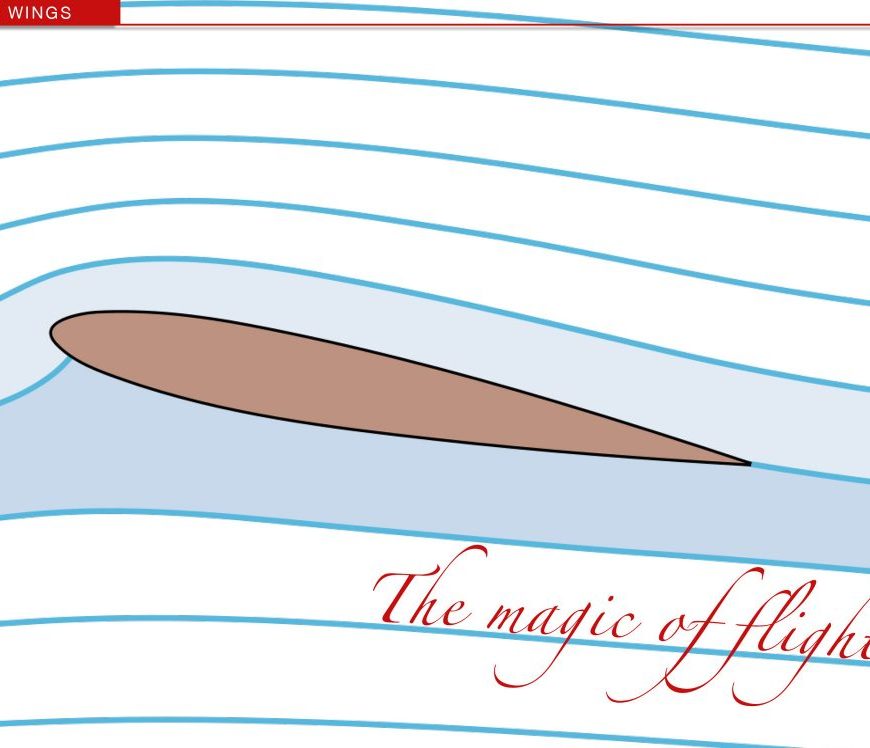
  If you ever want to convince someone that flying is magical, just remind them that scientists still can’t explain exactly how a wing produces lift. Theories abound. For a long time it was all thanks to Daniel Bernoulli and the idea that an airfoil accelerates the airflow, which means it must lose pressure perpendicular to the wings, thereby sucking you, your airplane and your credit cards … Continue reading Need a lift?

Airline futures

  An avweb flash entitled Smaller Aircraft Tails Possible caught my eye back on December 5th. It linked to a story from CalTech, called Sweeping Surfaces for Greener Planes – relating how researchers at that eminent institution hope to reduce tail sizes (and weight, and drag, and fuel consumption) by using active flow control air to supplement the authority of a smaller rudder at low airspeeds. Changing the … Continue reading Airline futures